AI News
Claude Fable 5.2: When to Escalate Beyond Your Everyday Model
Claude Fable 5.2 is a reason to think about escalation, not simply to send every task to the largest model. Anthropic positions it for difficult technical work while recommending Opus 5.5 as the starting point for most everyday coding and knowledge tasks.
Scope: Released model; plan access and restricted Mythos access differ
Read the official announcement ↗
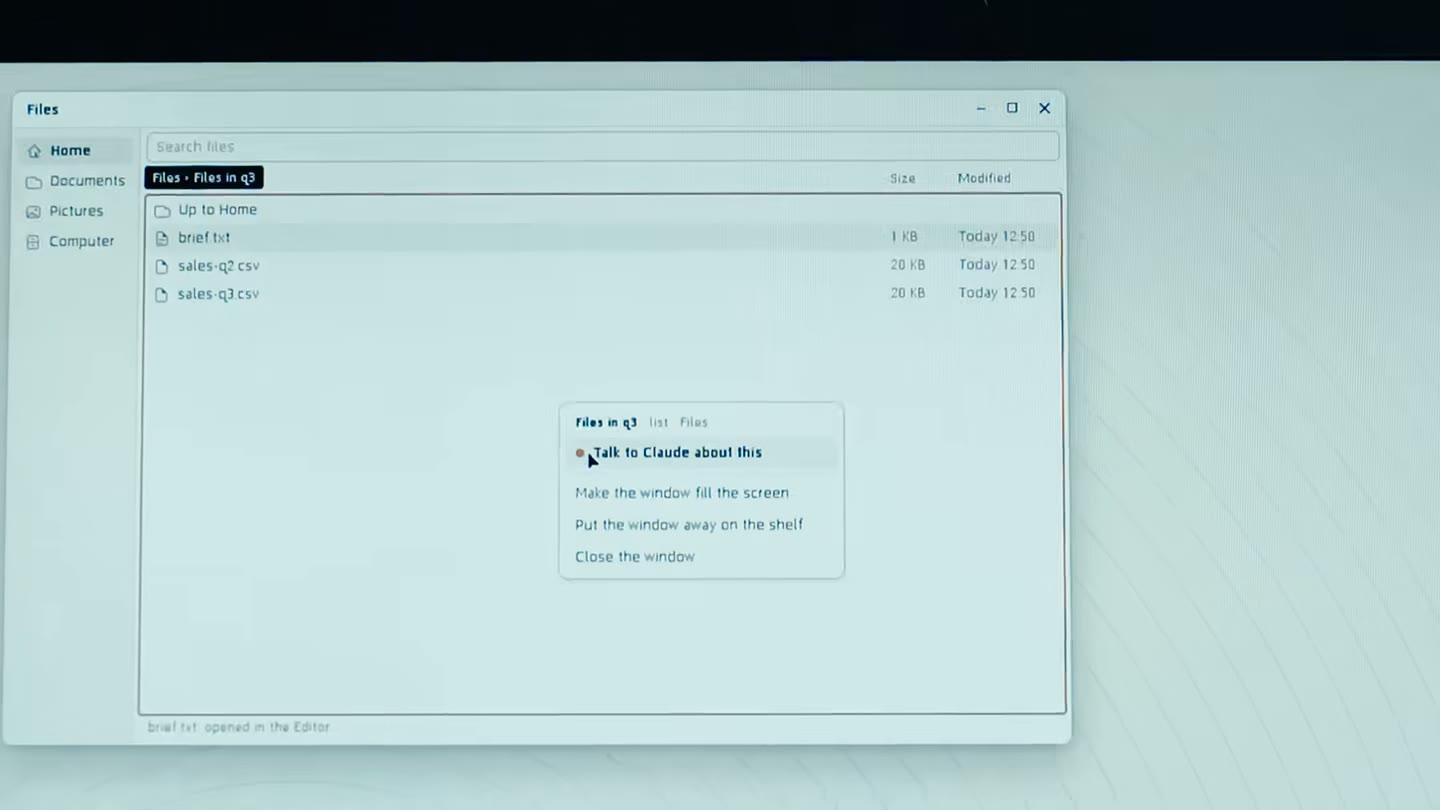
What the demonstration actually establishes
Anthropic’s launch material includes a prototype operating system, hardware work and scientific examples. The operating-system scene is valuable because it shows an artifact a reader can inspect, beyond a leaderboard number. It also raises the right review question: which requirements did the system meet, and how did the team verify them?
A successful demonstration is not a general guarantee for a reader’s repository. Your project may have undocumented constraints, different dependencies and failures that are absent from a curated example. Treat the published demonstration as a reason to investigate a capability, then define acceptance checks around your own problem.
Give the difficult part a clear boundary
Consider a service that occasionally imports the same order twice after a timeout. An everyday model can help read logs and produce a minimal reproduction. The harder question may be where the transaction boundary belongs when two workers retry at once. Escalating that specific question gives a stronger model a concrete problem and gives a reviewer a way to judge the answer.
The handoff should include the failing sequence, the expected invariant and the restrictions. For example: one order ID must create at most one charge, the database is fixed, and existing callers cannot change this week. The useful deliverable is a proposed change with a test that fails before the repair and passes afterward. An elegant explanation without that evidence leaves the original uncertainty intact.
| Work stage | Useful model role | Evidence to retain |
|---|---|---|
| Understand the failure | Read a bounded set of logs and identify competing explanations. | A minimal case and the current behavior. |
| Resolve the hard design point | Ask an advisor to challenge assumptions and suggest a repair. | The rationale, alternatives and relevant constraints. |
| Check the result | Run deterministic tests and review the change. | Failures before the edit, results afterward and remaining risks. |
Anthropic documents an agent workflow ecosystem and links its Advisor and Orchestrator patterns from the release. An advisor helps with a difficult subproblem; orchestration distributes work. Neither removes the need to define what completion means. A larger agent tree can make an unclear requirement more expensive without making it clearer.
The hardware example needs its own evidence
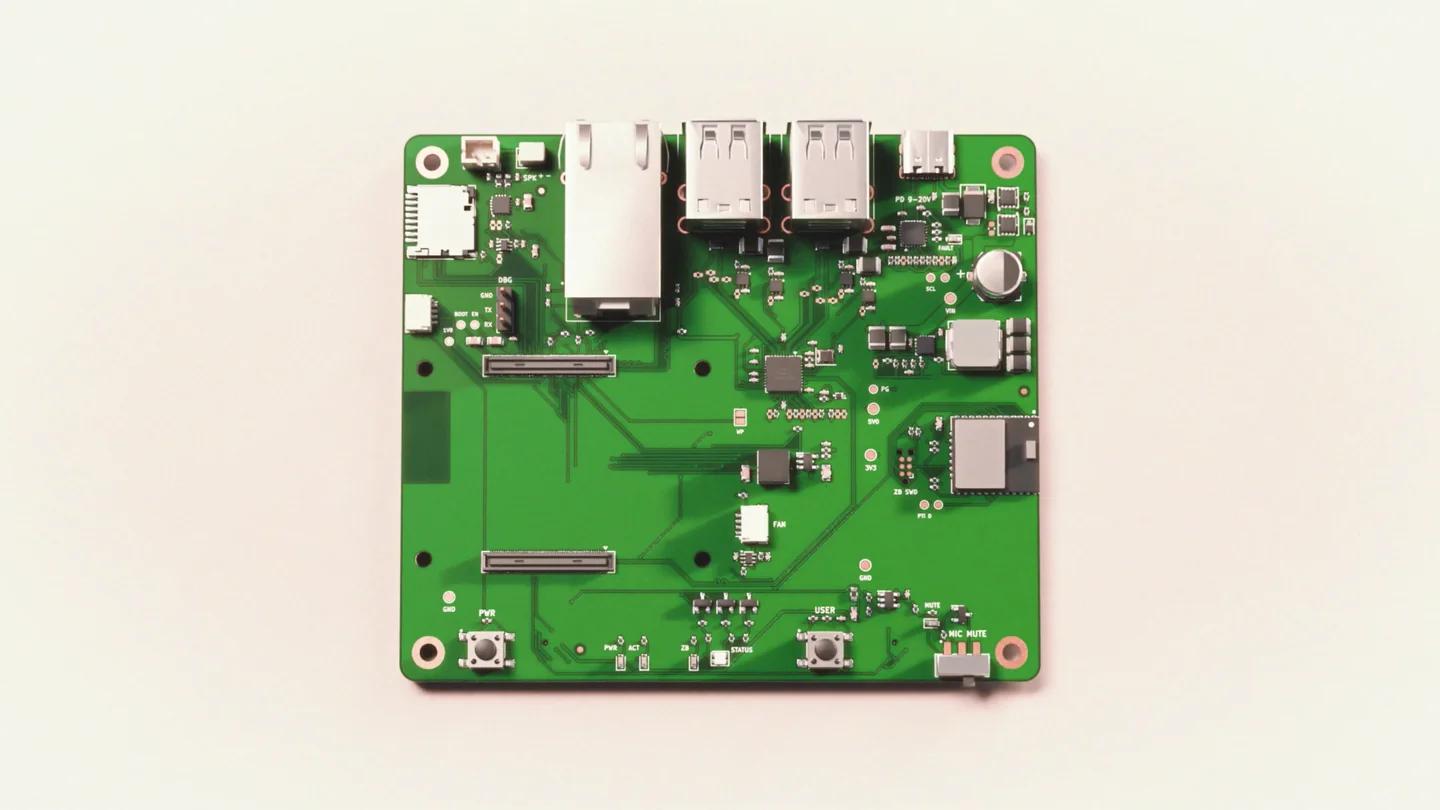
A circuit-board image is a useful reminder that generated output and a working artifact are different milestones. For hardware, a design must survive manufacturing and electrical tests; for software, a patch must survive execution and integration. When reading an AI demonstration, look for that second stage instead of assuming a visually plausible output proves functionality.
Lower token rates do not settle the task bill
The official model page lists these standard and fast-mode API rates. They are a dated snapshot checked November 15, 2026:
| Mode / model | Input per million tokens | Output per million tokens |
|---|---|---|
| Fable 5.1 standard | $10 | $50 |
| Fable 5.2 standard | $8 | $40 |
| Fable 5.2 fast mode | $16 | $80 |
At standard 5.2 rates, an illustrative request with 100,000 uncached input tokens and 10,000 output tokens would cost $1.20. The same quantities at the listed 5.1 rates would cost $1.50. These are calculations, not a measured task bill; cached input, retries, tools and other models can change an actual workflow’s total.
That distinction corrects an easy misunderstanding in model comparisons. A task may cost more because it consumes more tokens or invokes more workers even when its rate per token falls. Record successful completion and review effort alongside cost. Paying less for an incorrect answer is not a useful optimization.
Check your plan before switching
According to the plan-access guide, access and charging differ by subscription and seat type. Some plans use usage credits; others share a weekly allowance. Organization controls can also affect visibility. The guide lists Claude Code 2.1.321 or later for Fable 5.2. A model missing from a picker is therefore not evidence that the release does not exist.
Fable and Mythos also have different access boundaries. Anthropic says they share the underlying model, with safeguards distinguishing Fable and verification programs governing advanced Mythos access. Do not assume a Fable subscription grants Mythos access or that every request follows the same path through safeguards.
A sensible first evaluation
Choose one existing regression with an unambiguous result, give both configurations the same starting state and retain the patch and test output. Report what happened, including a failed attempt. A single example can explain a workflow; it cannot establish a general ranking. Our earlier Fable 5.1 guide provides background for teams comparing an established long-running workflow with the new release.
Reviewed November 15, 2026. Discovery lead: JoCoding’s November 15 IT NEWS briefing. We read the available transcript and independently checked the primary sources. This is a source-based explainer with Anthropic’s actual published demonstration frames. We did not run a Fable-versus-Opus benchmark or reproduce the operating system or hardware work.
Discussion