Gemini Omni 1.2 Flash Explained: Video Editing, Limits and Costs
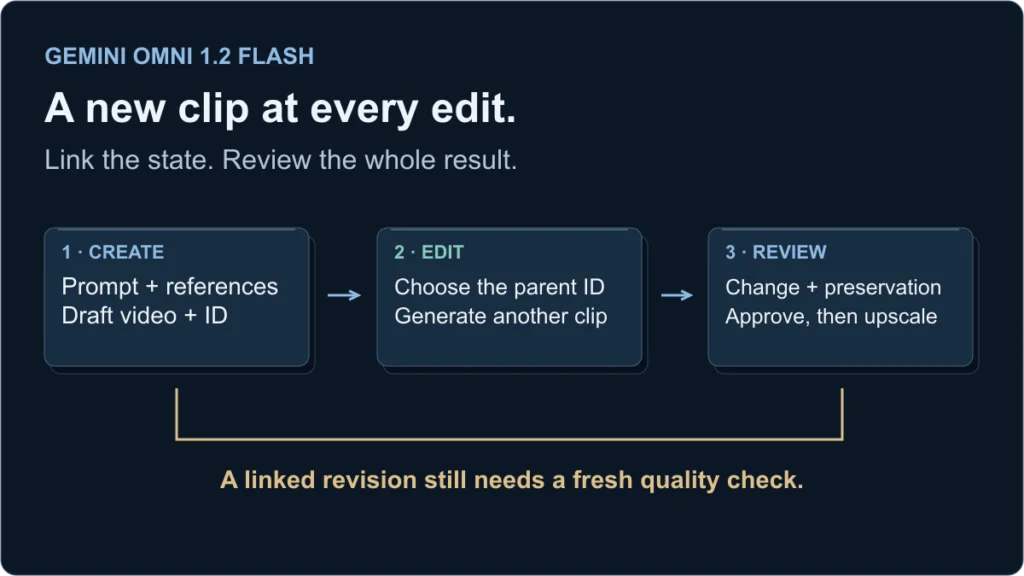
How Gemini Omni 1.2 Flash links video edits, what 15-second clips allow, and how to check drift, API limits, costs and provenance.
Read articleTHE ARTICLE ARCHIVE
Practical guides and independent analysis of AI, cloud, developer tools, and the technology shaping our work.
How Gemini Omni 1.2 Flash links video edits, what 15-second clips allow, and how to check drift, API limits, costs and provenance.
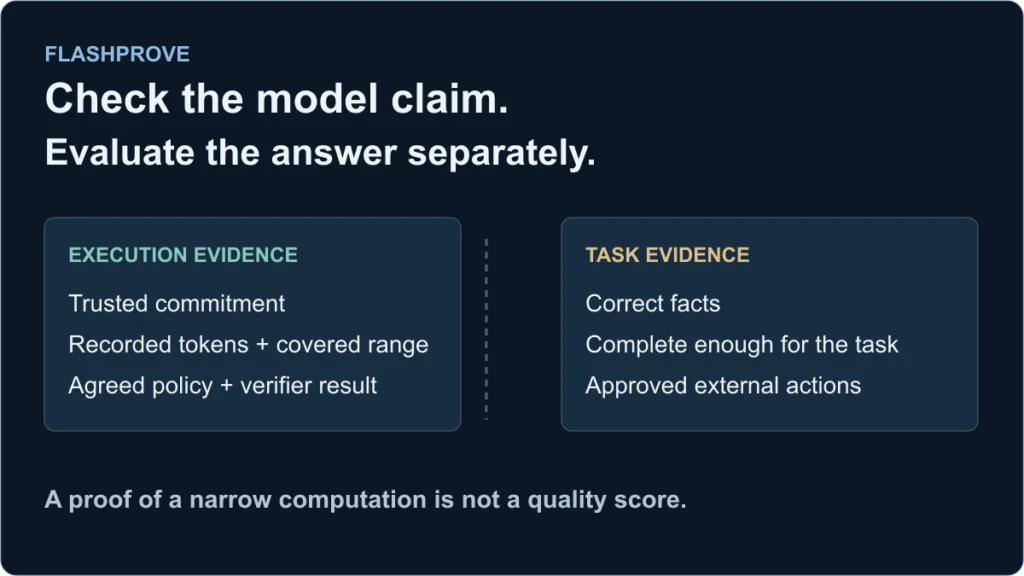
Read articleUnderstand FlashProve commitments, token coverage and proof policies, and why 110 input tokens per second does not mean verified whole-answer speed.
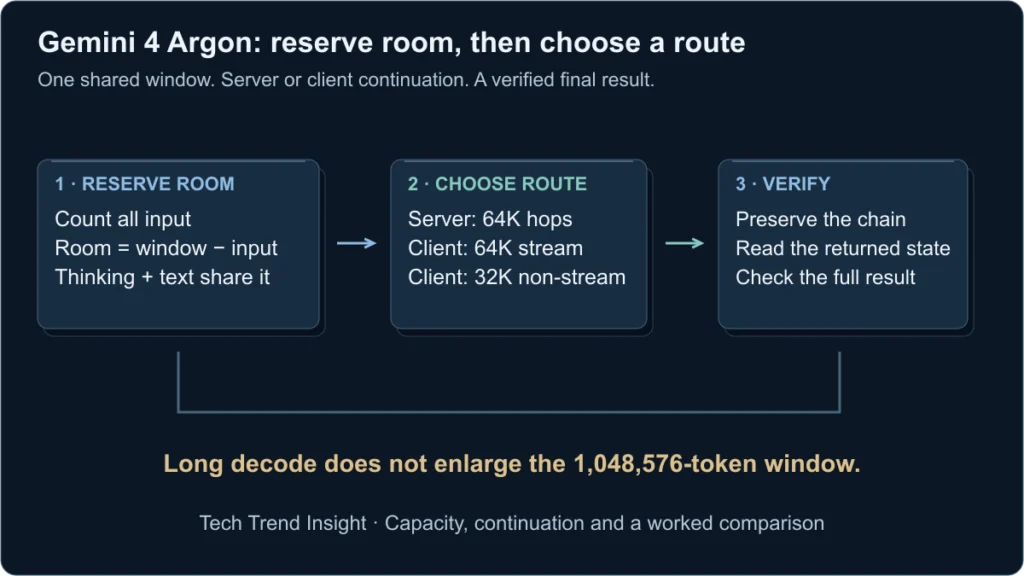
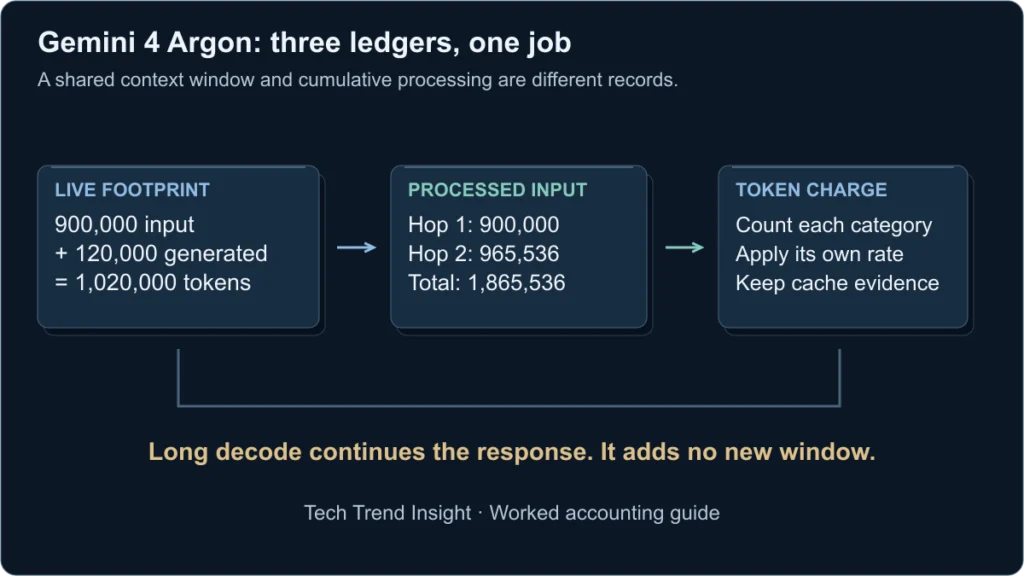
Plan Gemini 4 Argon context space, choose background or client continuation, distinguish stop states, and compare hop usage with a worked example.
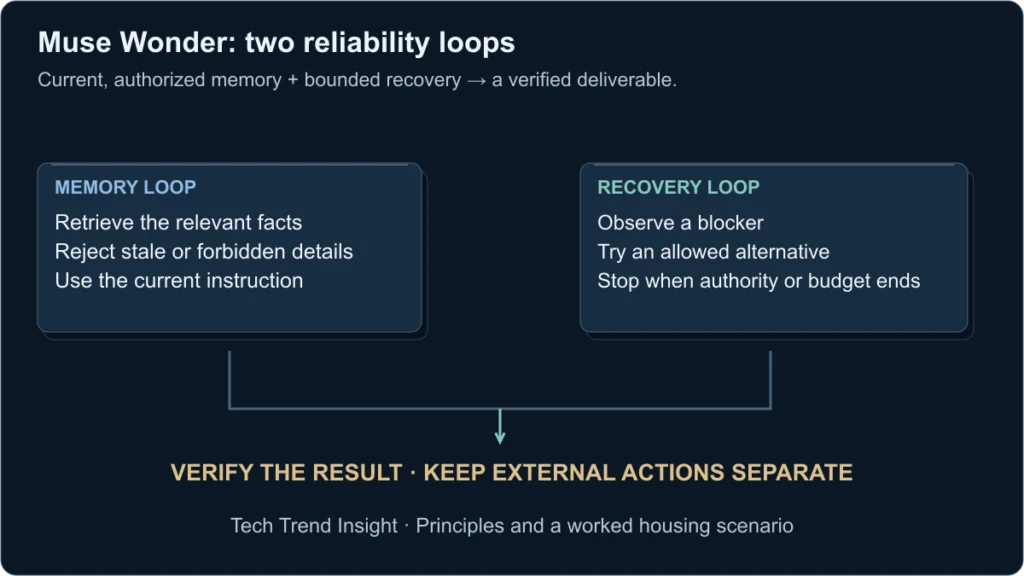
Understand Muse Wonder Active Memory and Active Focus, with a housing example, recovery limits, access and data-mode checks, and practical validation.
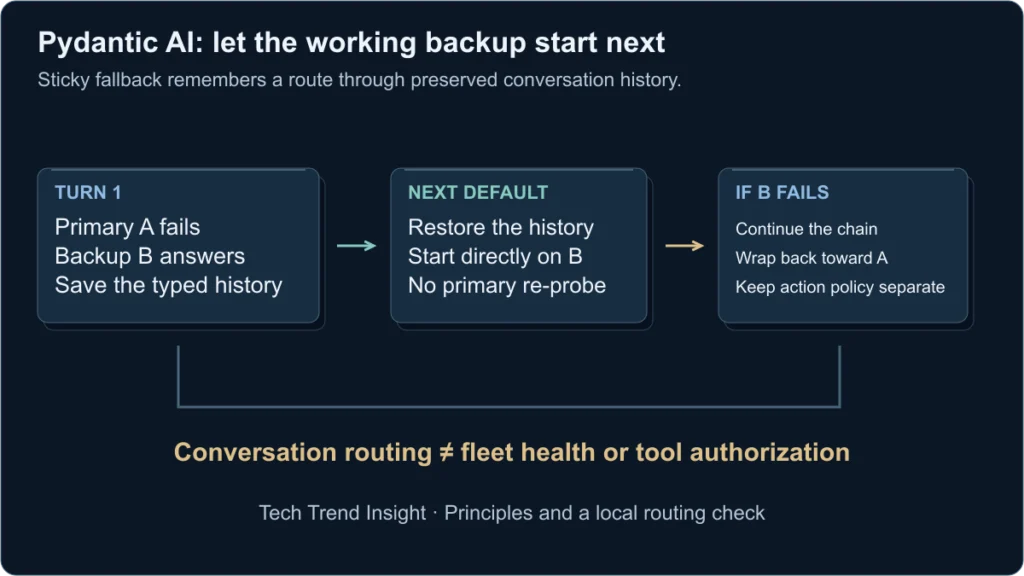
Learn how Pydantic AI sticky fallback uses chat history, returns to the primary, handles streaming failures and interacts with retry budgets.
Reconcile Argon’s shared context, repeated hop inputs and token charges. Worked cache scenarios explain why $3.10 and $3.22 are different estimates.
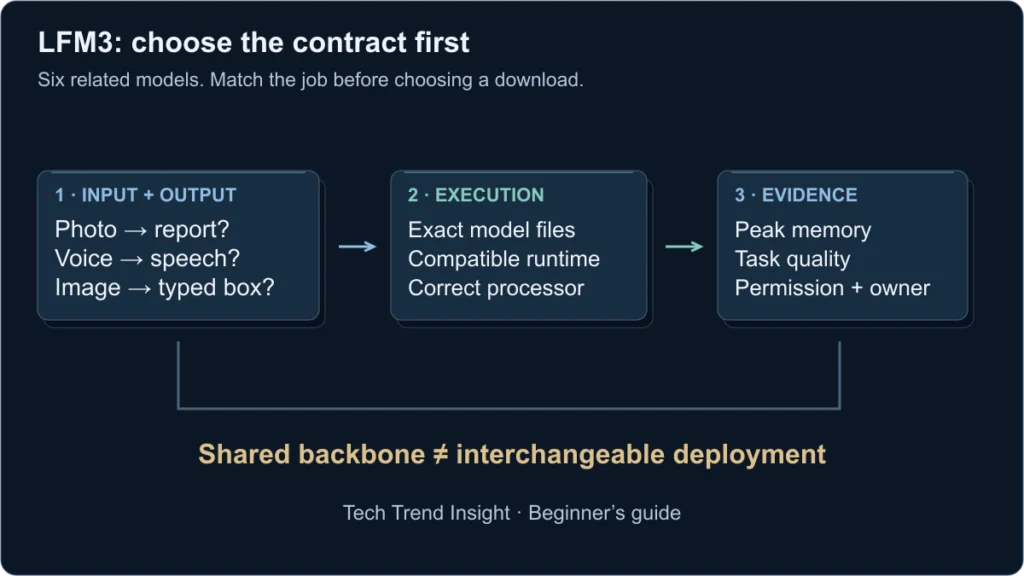
Understand LFM3’s six models, typed decisions, runtime compatibility and memory budgets, with a practical guide to the wind-turbine results.
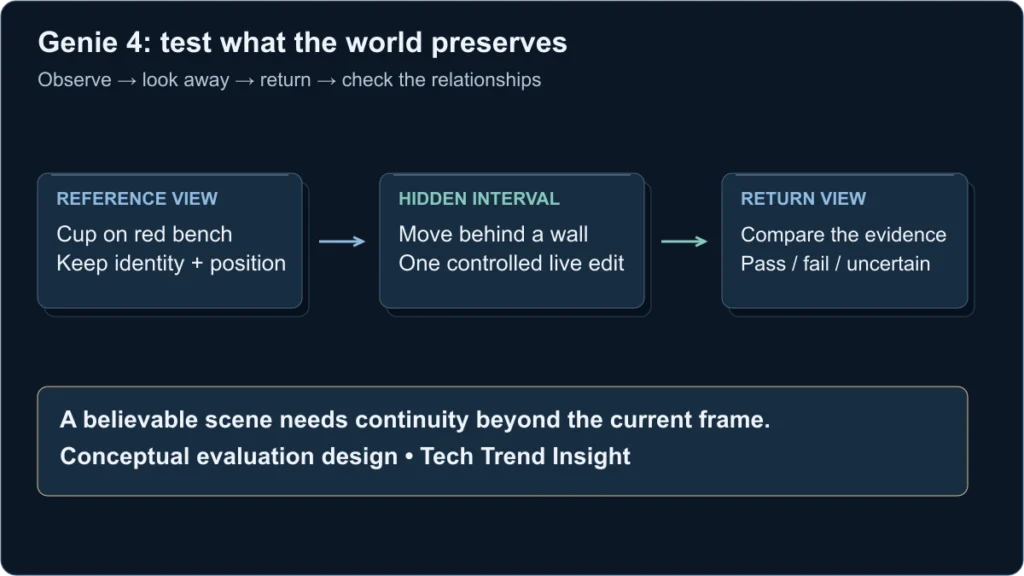
Understand Genie 4’s guiding loop, object permanence and native audio, then test navigation, live edits and evidence before relying on an AI world.
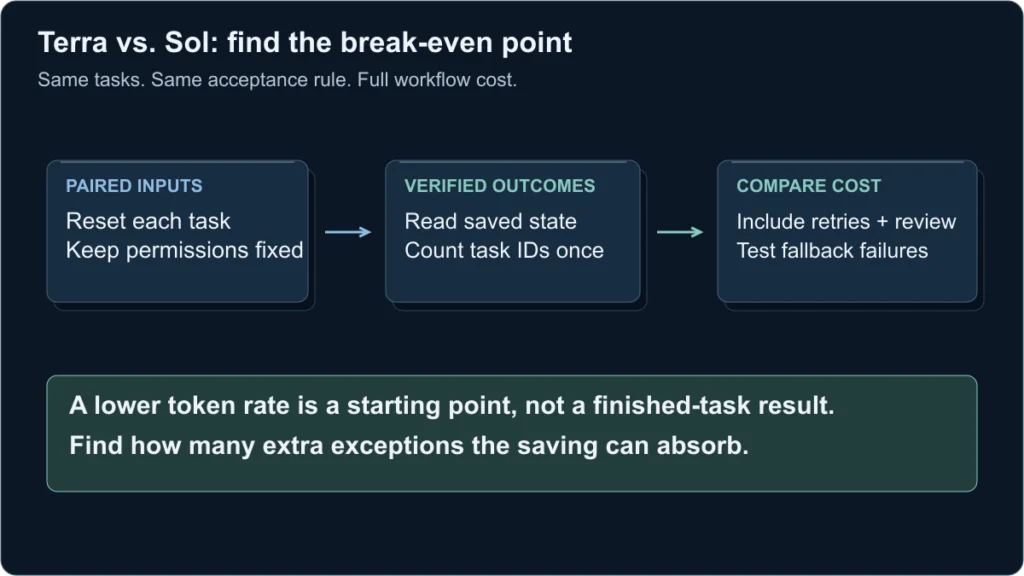
Compare Terra and Sol on matched tasks: full-cost break-even math, request-level accounting and the fallback success rate that actually matters.
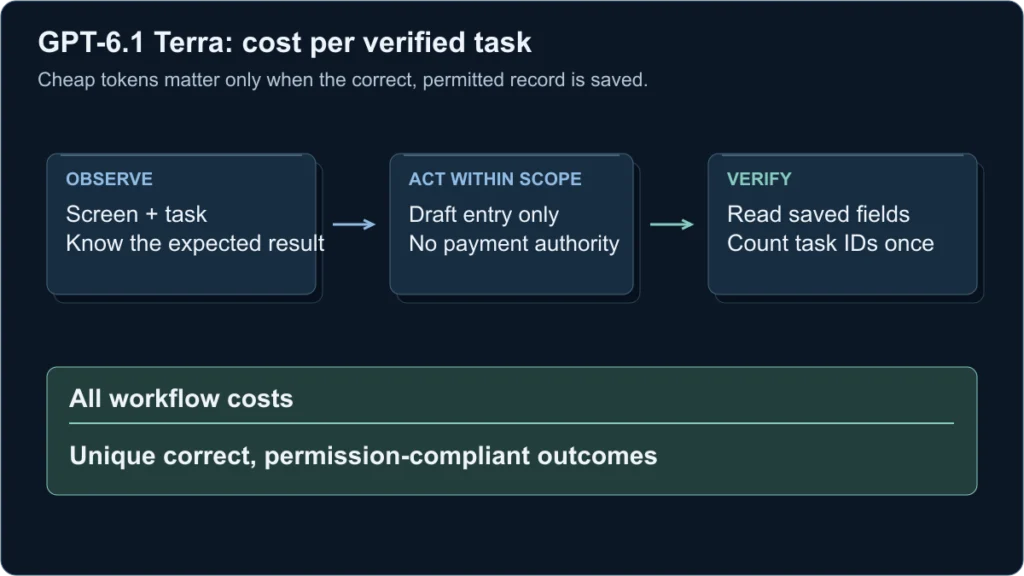
Estimate GPT-6.1 Terra screen-task costs without double-counting tokens, retries or outcomes. Includes a worked budget and saved-record checks.