AI News
OpenAI’s Silent-Speech Earbud Patent Application Explained
A U.S. patent application published on November 19, 2026 describes an in-ear device that would turn silently mouthed words into a representation a computer could use. The filing, US 2026/0369273 A1, names OpenAI OpCo, LLC as the applicant and dates the application to May 14, 2026. Its abstract identifies the proposed input as motion of the ear canal caused by articulation.
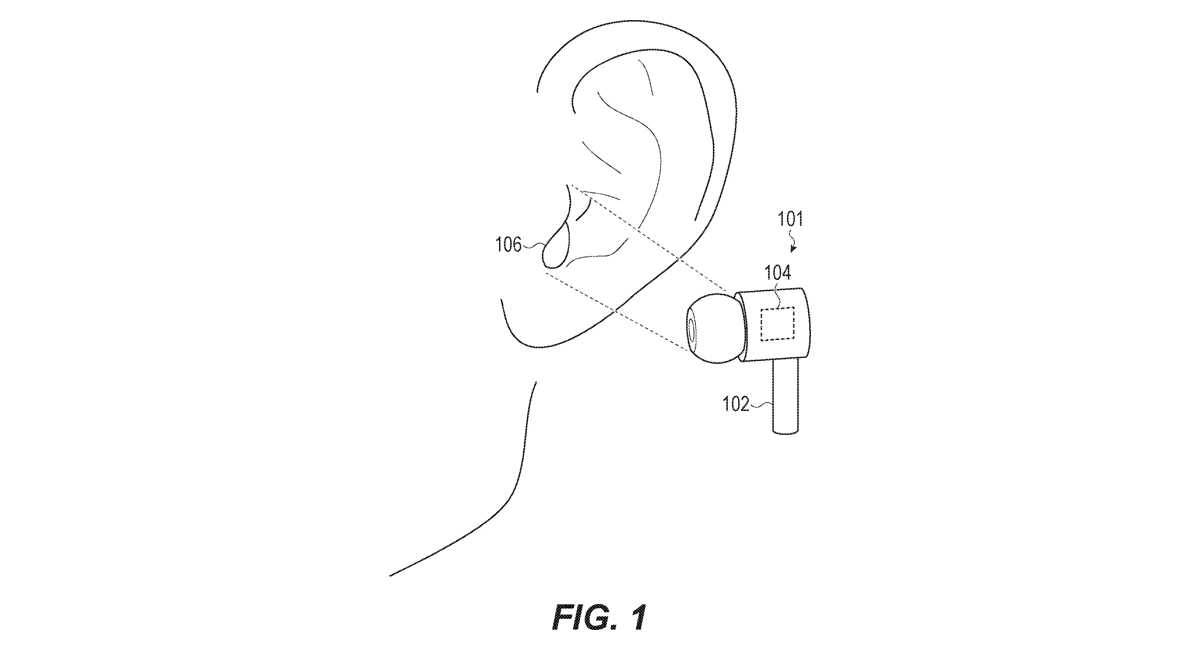
From mouth movement to computer input
The abstract describes three stages. Part of the device sits in the ear canal. A sensing system detects motion associated with the wearer articulating words without voicing them. A processor takes the resulting motion information and generates a representation of those words. That separates the job of detecting a movement from the job of deciding what the movement means.
That distinction matters in a crowded train, where someone might want to enter a short command quietly. The system would need to tell a mouthed command apart from other movements in the same setting. Detecting that the wearer moved their jaw is only the beginning of that test. The application describes a proposed design. The publication date is the date the application became public.
How to evaluate a working demonstration
Ask for a demo that reports separate results for intentionally mouthed phrases, quiet speech and ordinary movements such as chewing. A false activation rate during the last group and a recognition error rate during the first group would tell you different things. A timing trace from articulation to recognized input would also show how quickly a correction could reach the interface. These are proposed evaluation criteria. The material examined here was the public patent application and its drawing.
OpenAI’s published U.S. patent application · JoCoding’s short on silent-speech filings