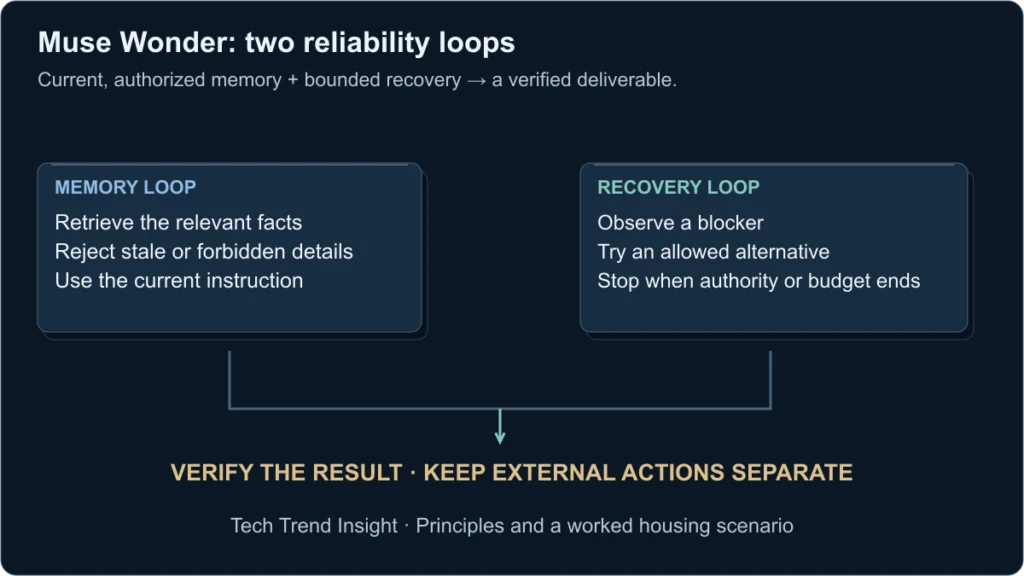
Meta Muse Wonder Explained: Current Memory and Bounded Recovery
Understand Muse Wonder Active Memory and Active Focus, with a housing example, recovery limits, access and data-mode checks, and practical validation.
Read articleTHE ARTICLE ARCHIVE
Explore ideas, explanations, and practical perspectives.
Understand Muse Wonder Active Memory and Active Focus, with a housing example, recovery limits, access and data-mode checks, and practical validation.
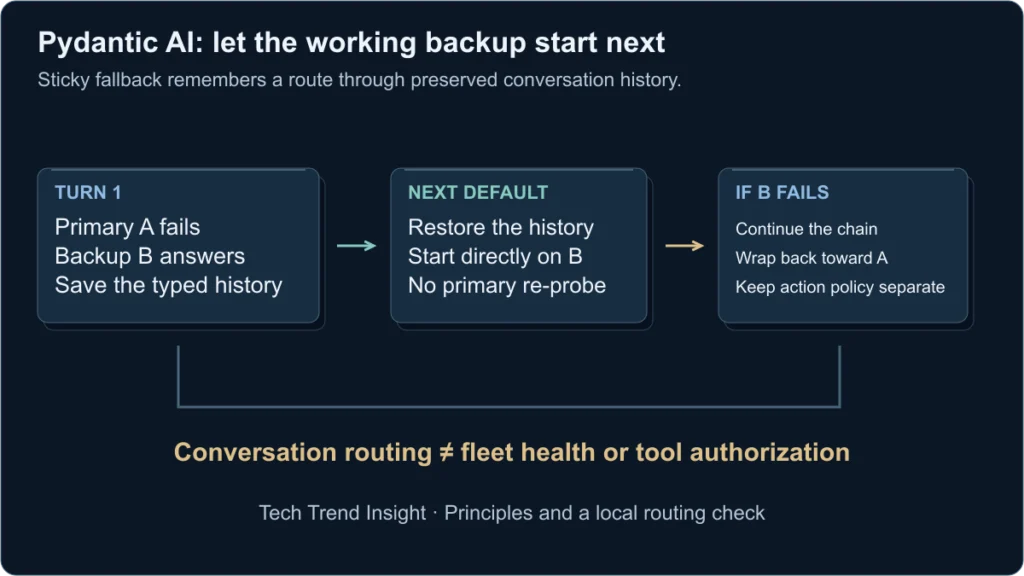
Read articleLearn how Pydantic AI sticky fallback uses chat history, returns to the primary, handles streaming failures and interacts with retry budgets.
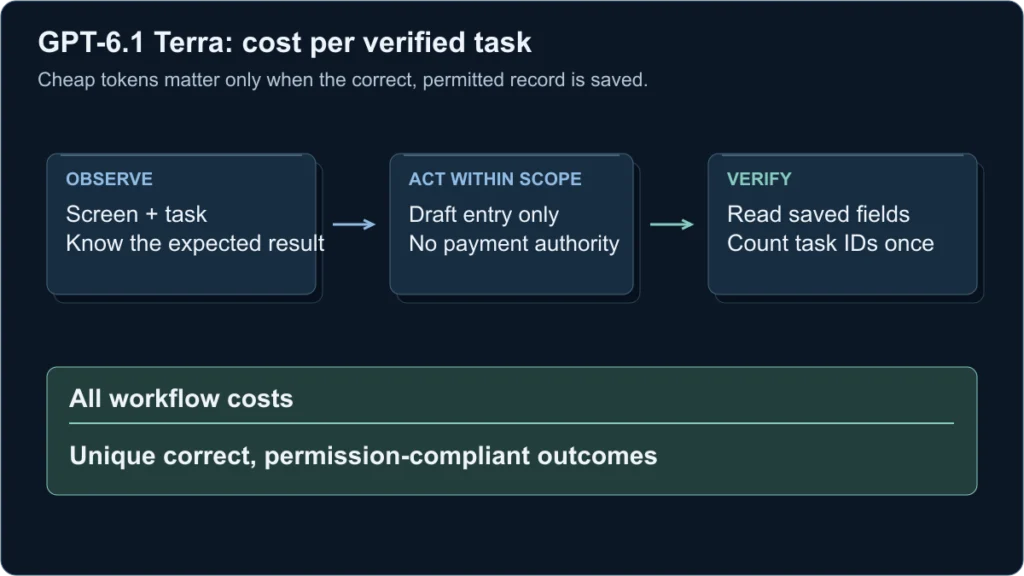
Estimate GPT-6.1 Terra screen-task costs without double-counting tokens, retries or outcomes. Includes a worked budget and saved-record checks.
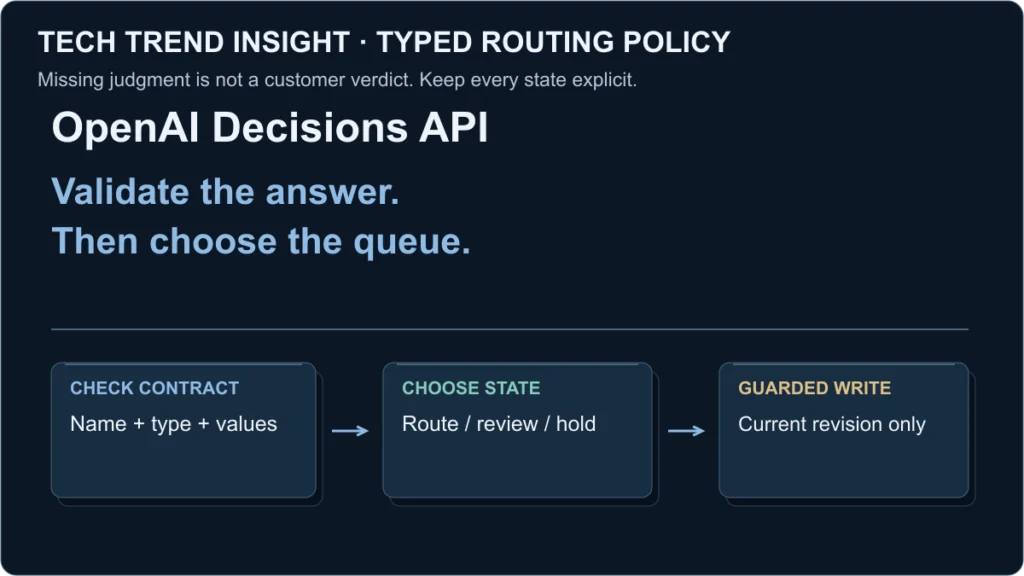
Validate Decisions API answers before routing: four workflow states, fixed queue IDs, stale-result guards and local failure-path tests.
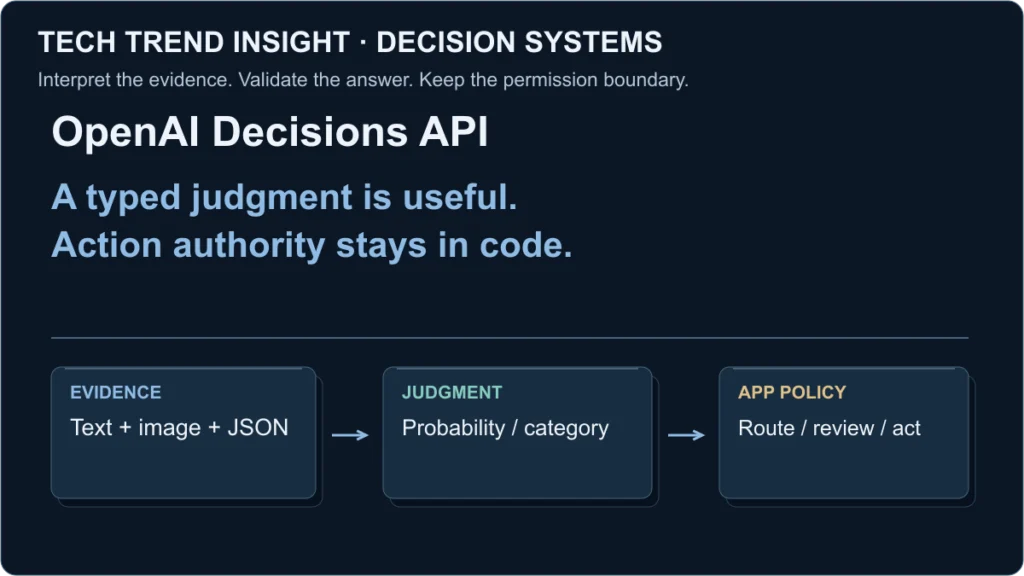
Understand OpenAI Decisions: predicate, choice and score, correct JSON fields, threshold tradeoffs, cache billing and application authority.
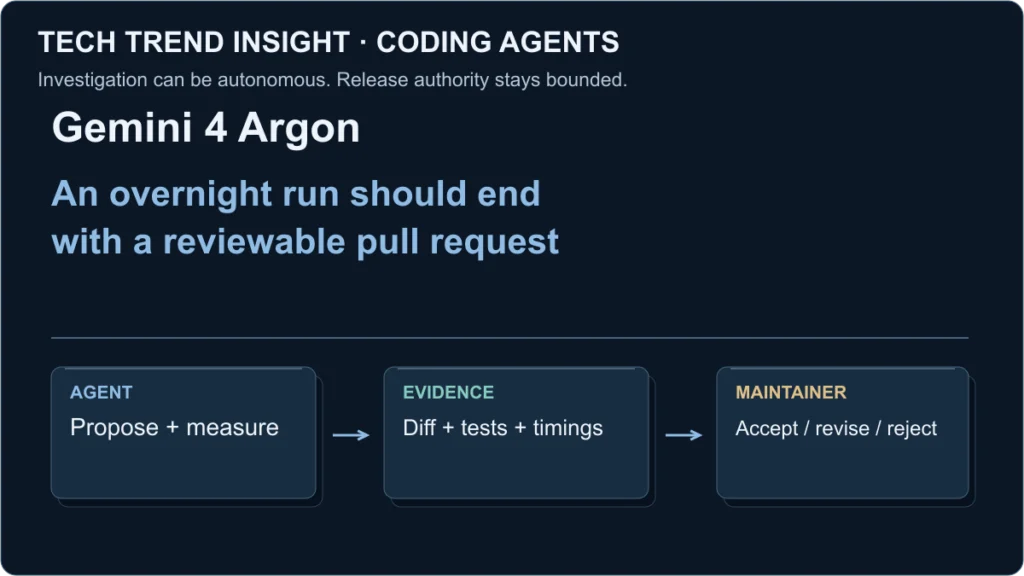
Understand Gemini 4 Argon’s overnight ADK coding case: copying, lazy imports, cache hazards, benchmark scope, and review before merge.
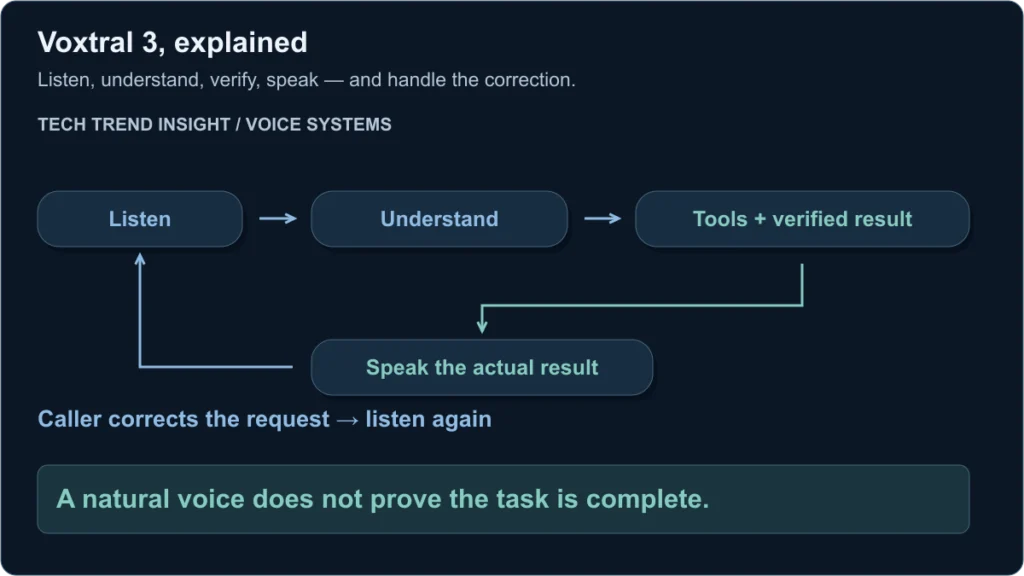
Understand Voxtral 3: voice pipelines, turn detection, tool placement, migration rules, and component versus managed-agent pricing.
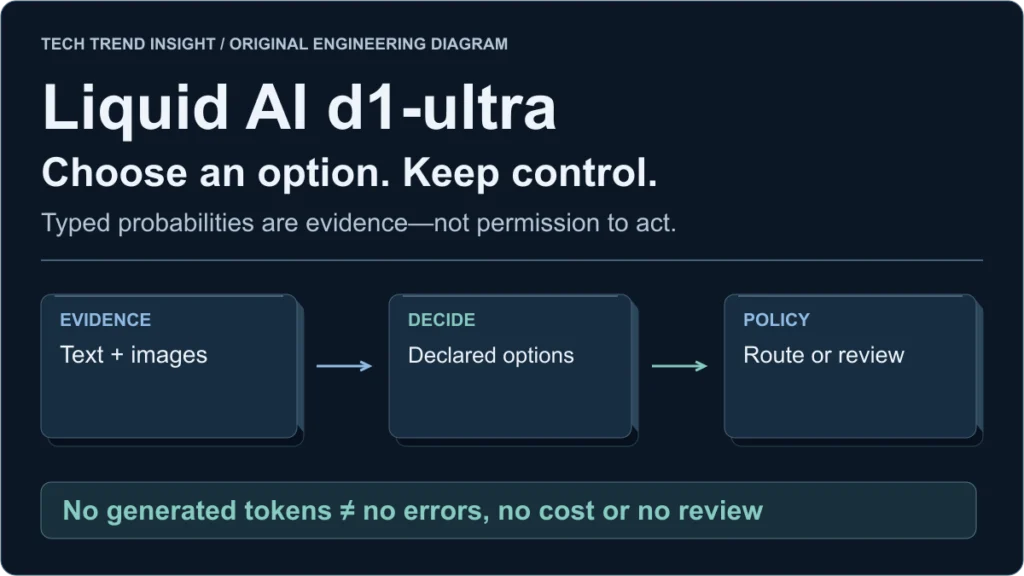
Understand d1-ultra decisions: Noul, Choice and Score, image-token billing, probability checks, and safe routing with review and approval gates.
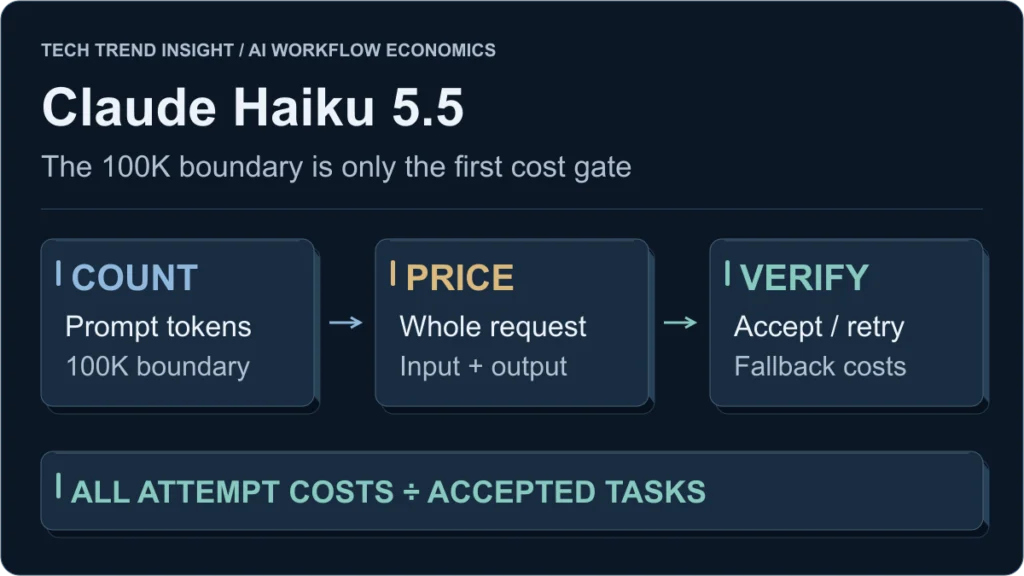
Claude Haiku 5.5 pricing at 100K tokens: an auditable cost model for tokenization, effort, retries, and cost per accepted task.
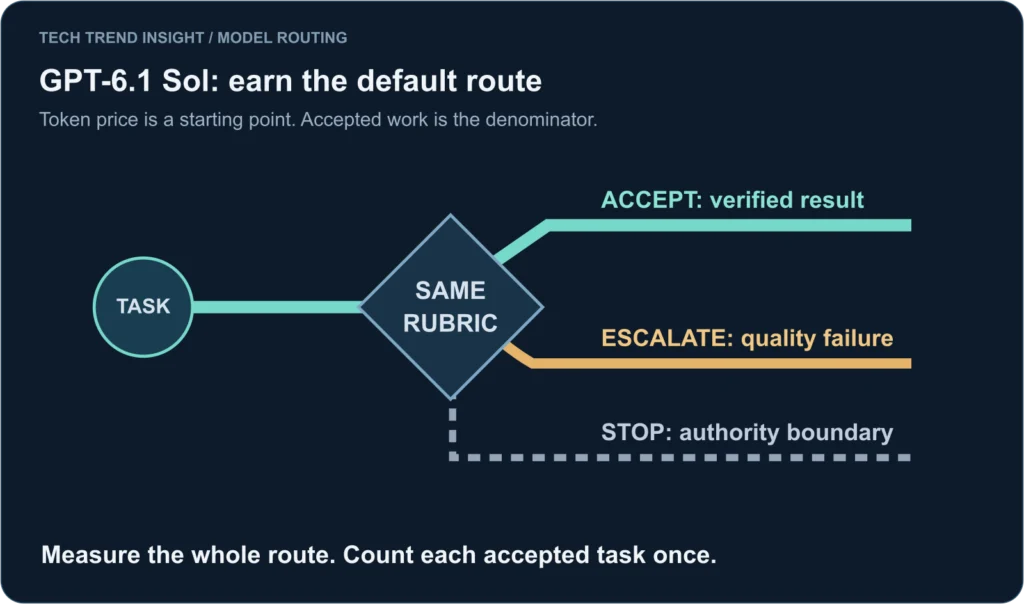
Evaluate GPT-6.1 Sol routing with a worked cost ledger, fixed acceptance tests, API checks, bounded fallbacks and clear permission limits.