LFM3 Explained: Choose the Right Model, Runtime and Memory Budget
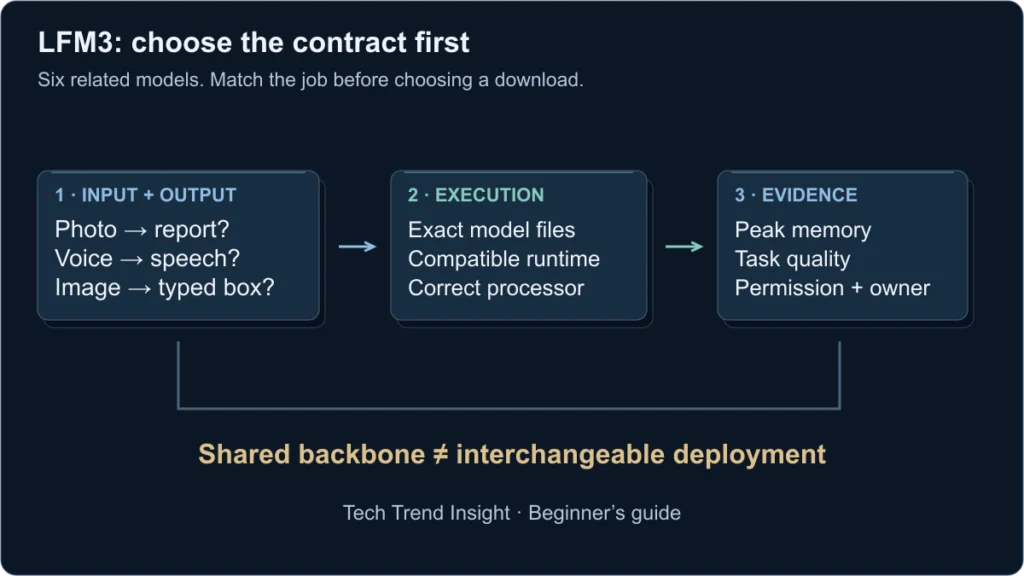
Understand LFM3’s six models, typed decisions, runtime compatibility and memory budgets, with a practical guide to the wind-turbine results.
Read articleTHE ARTICLE ARCHIVE
Explore ideas, explanations, and practical perspectives.
Understand LFM3’s six models, typed decisions, runtime compatibility and memory budgets, with a practical guide to the wind-turbine results.
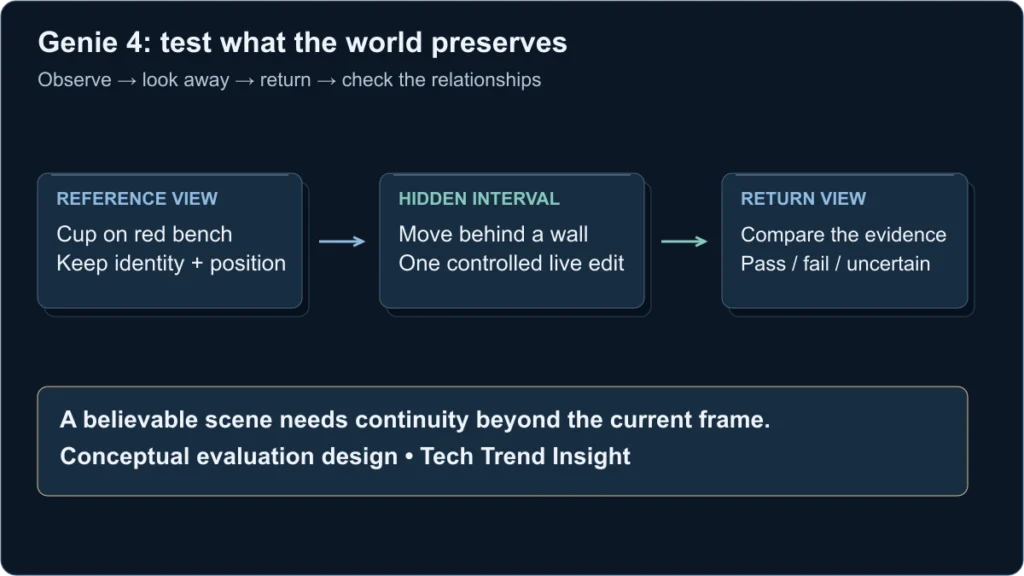
Read articleUnderstand Genie 4’s guiding loop, object permanence and native audio, then test navigation, live edits and evidence before relying on an AI world.
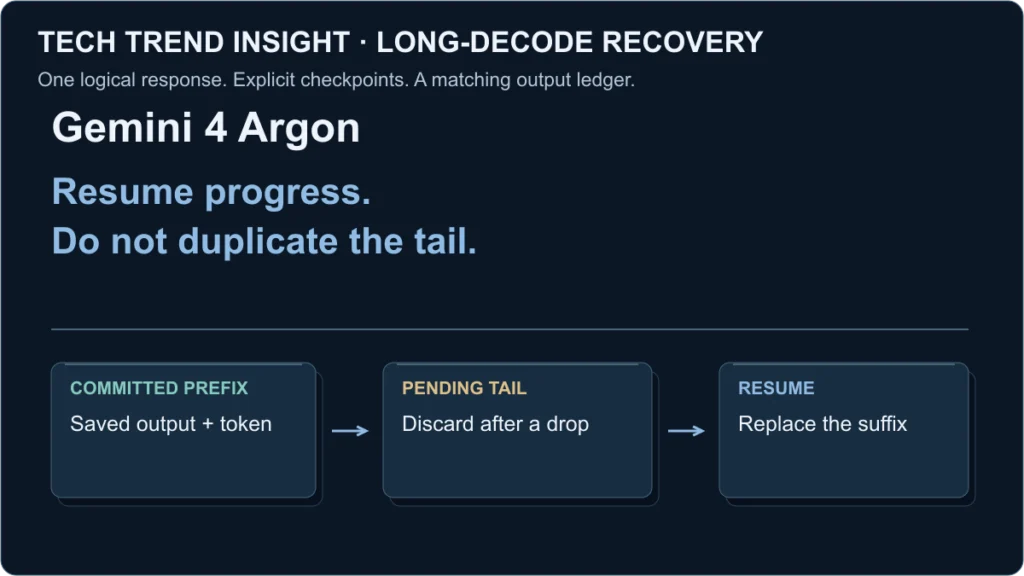
Learn how Argon continuation keeps requests fixed, recovers stream checkpoints, avoids duplicate output and counts per-hop usage correctly.
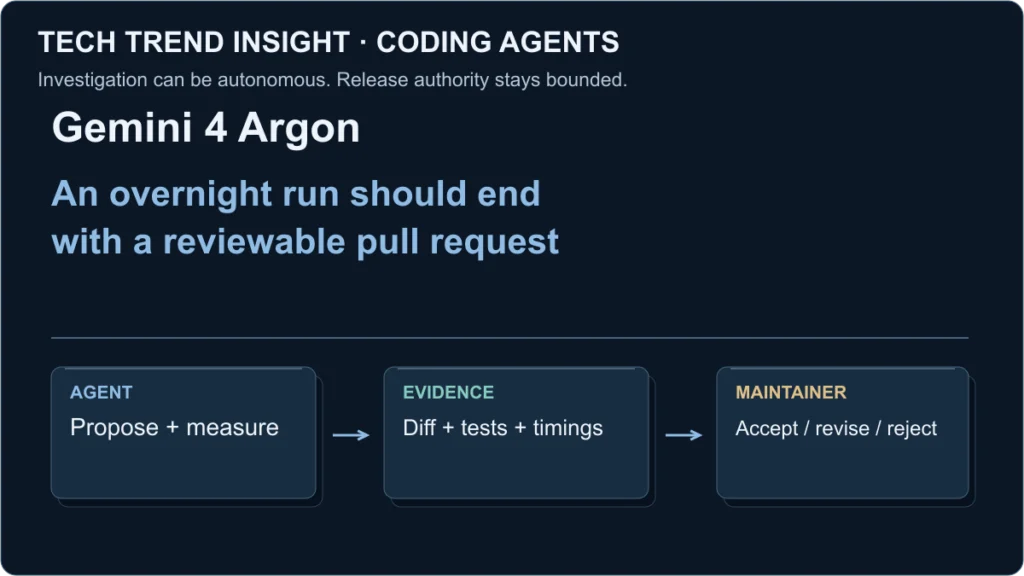
Understand Gemini 4 Argon’s overnight ADK coding case: copying, lazy imports, cache hazards, benchmark scope, and review before merge.
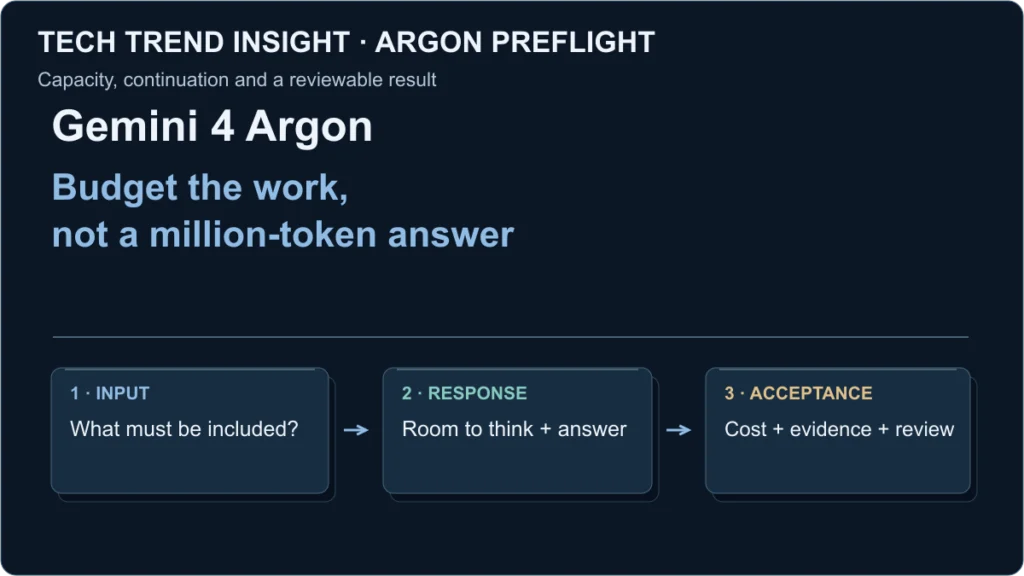
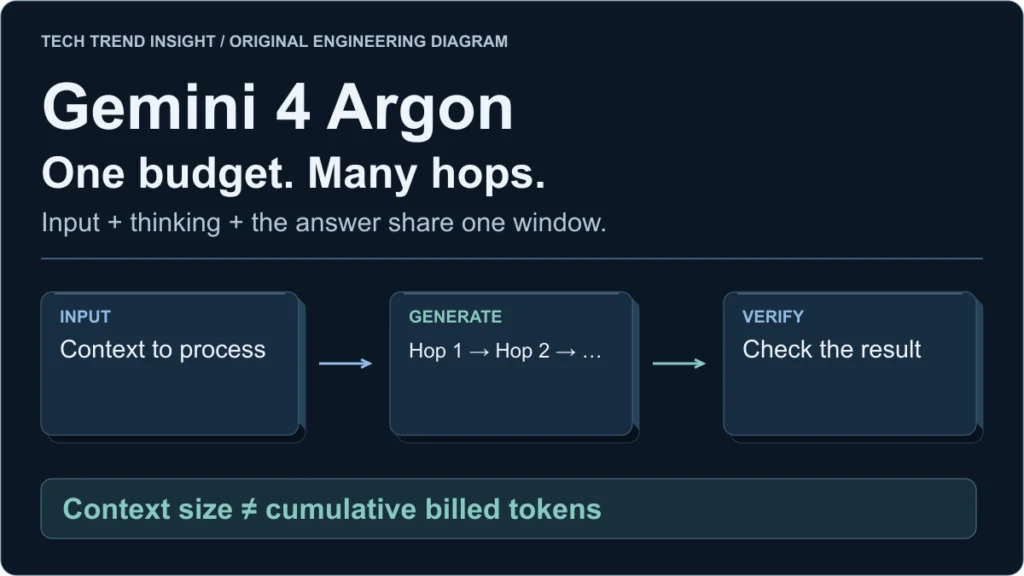
Plan Gemini 4 Argon workloads: leave room for thinking and answers, trim input safely, and budget continuation before reviewing the result.
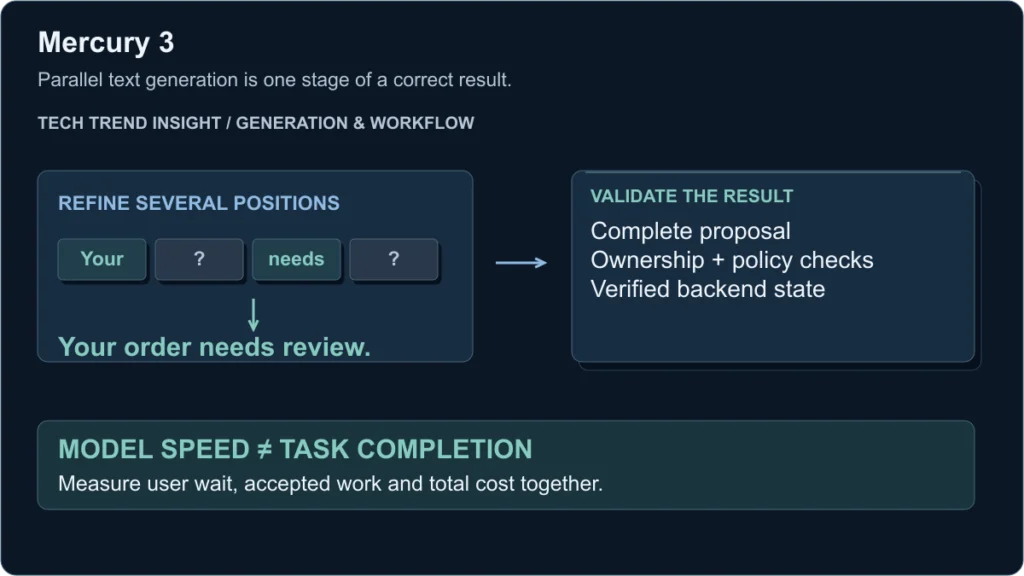
Learn how Mercury 3 refines text in parallel, why token speed differs from task latency, and how to test quality, streaming and accepted-task cost.
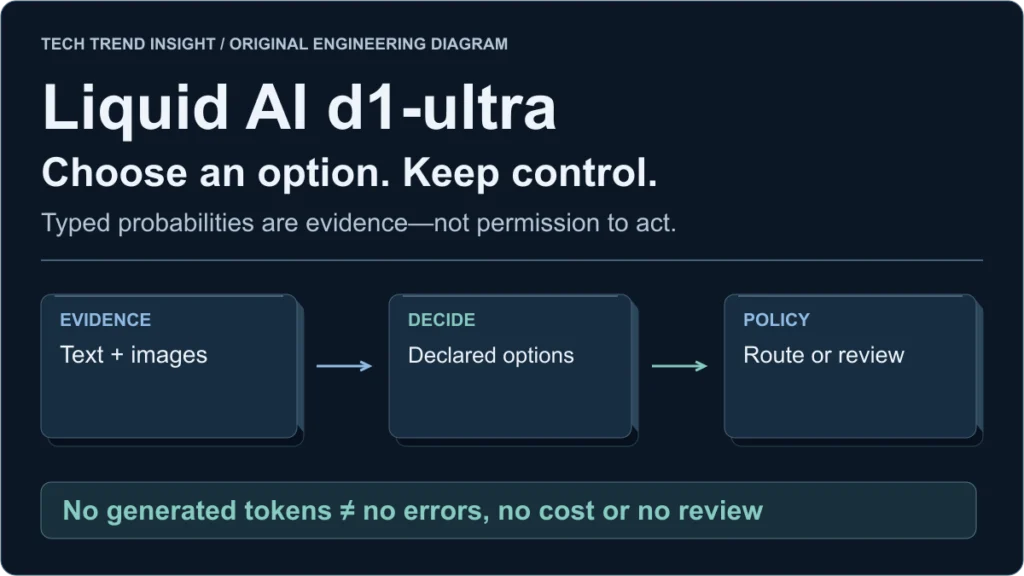
Understand d1-ultra decisions: Noul, Choice and Score, image-token billing, probability checks, and safe routing with review and approval gates.
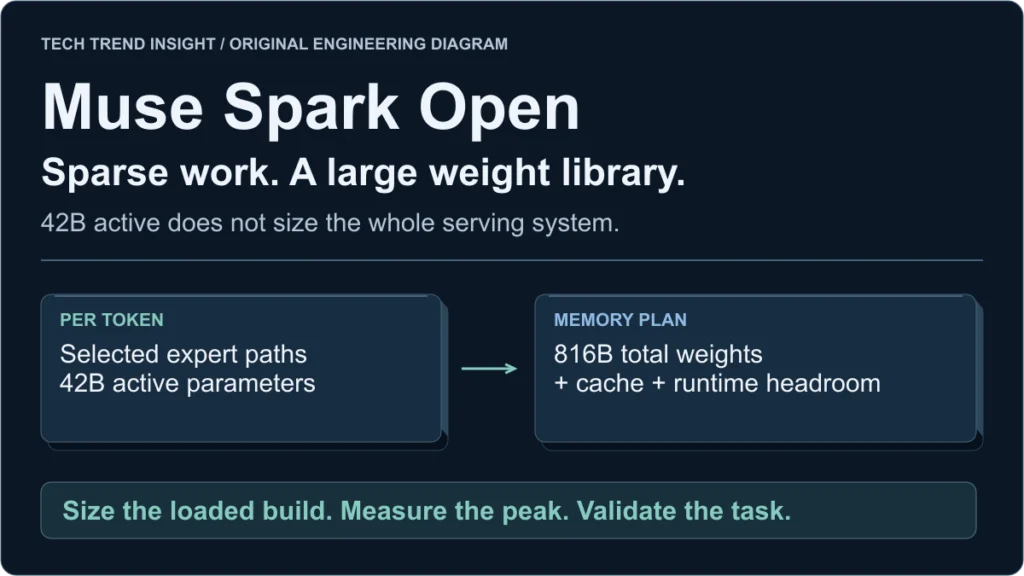
Understand Muse Spark Open memory: active versus total weights, quantization, parallelism, Apple MLX results, and a practical self-hosting test plan.
Understand Gemini 4 Argon long decode: shared token budgets, managed and client-side hops, cache costs, recovery, and result verification.
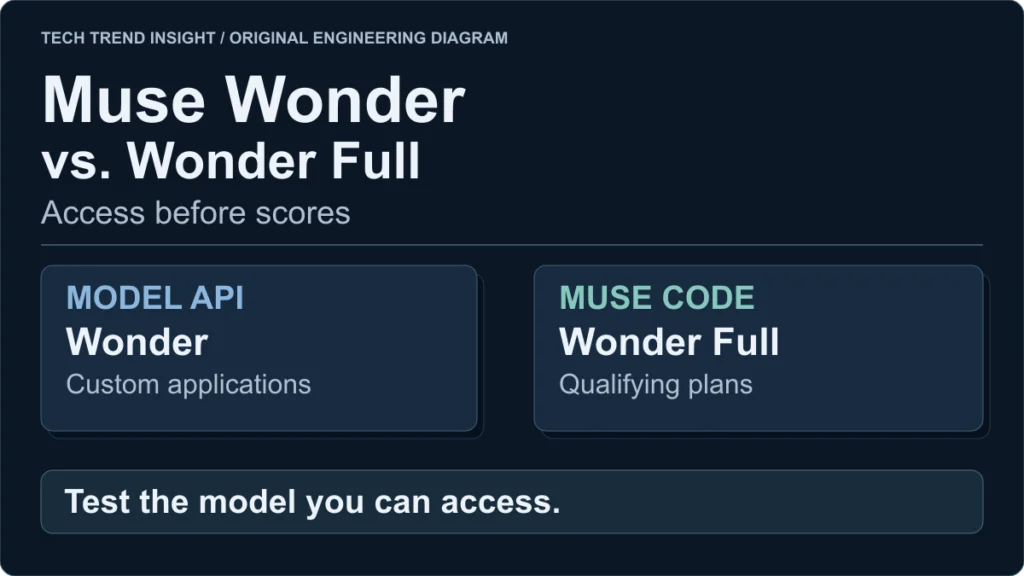
Understand Muse Wonder versus Wonder Full: API and Muse Code access, agent loops, data modes, task costs, and a practical evaluation plan.