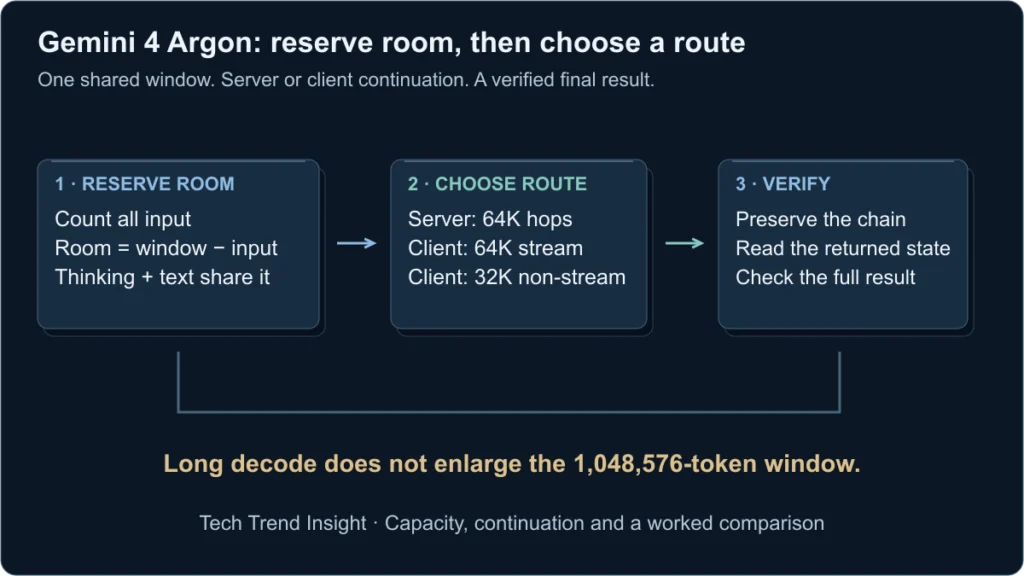
Gemini 4 Argon Long Decode Explained: Shared Budget and Continuation Routes
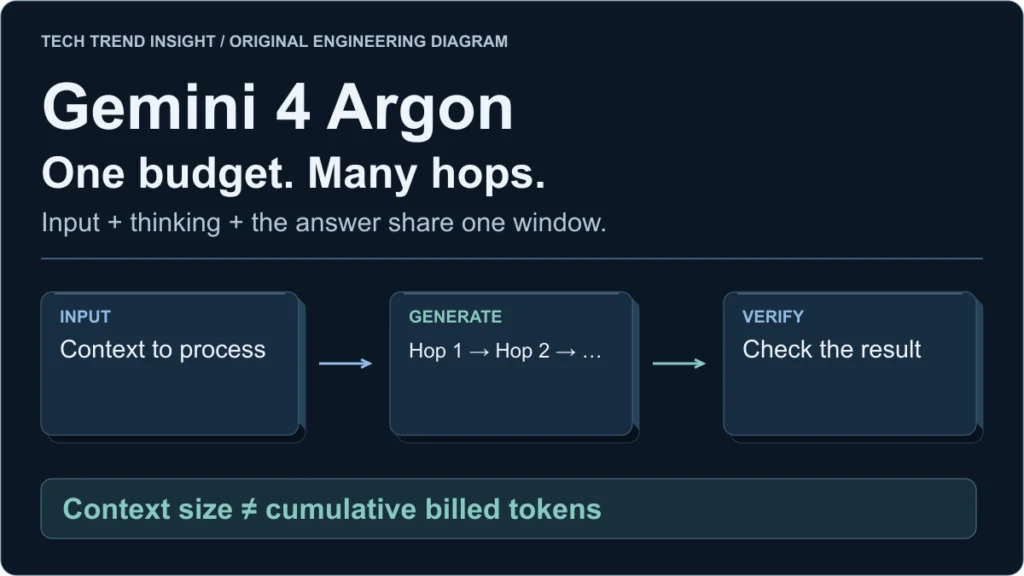
Plan Gemini 4 Argon context space, choose background or client continuation, distinguish stop states, and compare hop usage with a worked example.
Read articleTHE ARTICLE ARCHIVE
Explore ideas, explanations, and practical perspectives.
Plan Gemini 4 Argon context space, choose background or client continuation, distinguish stop states, and compare hop usage with a worked example.
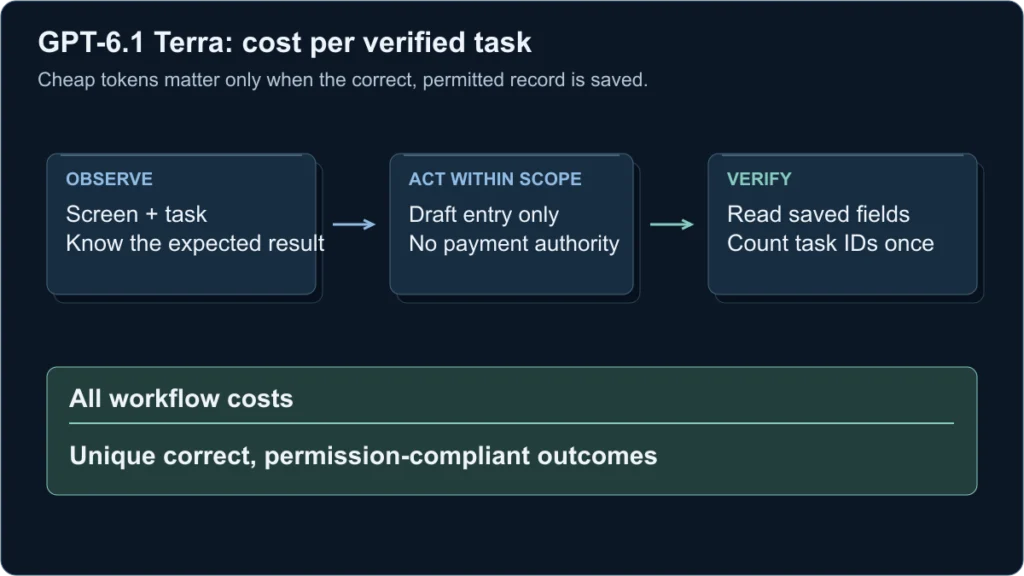
Read articleEstimate GPT-6.1 Terra screen-task costs without double-counting tokens, retries or outcomes. Includes a worked budget and saved-record checks.
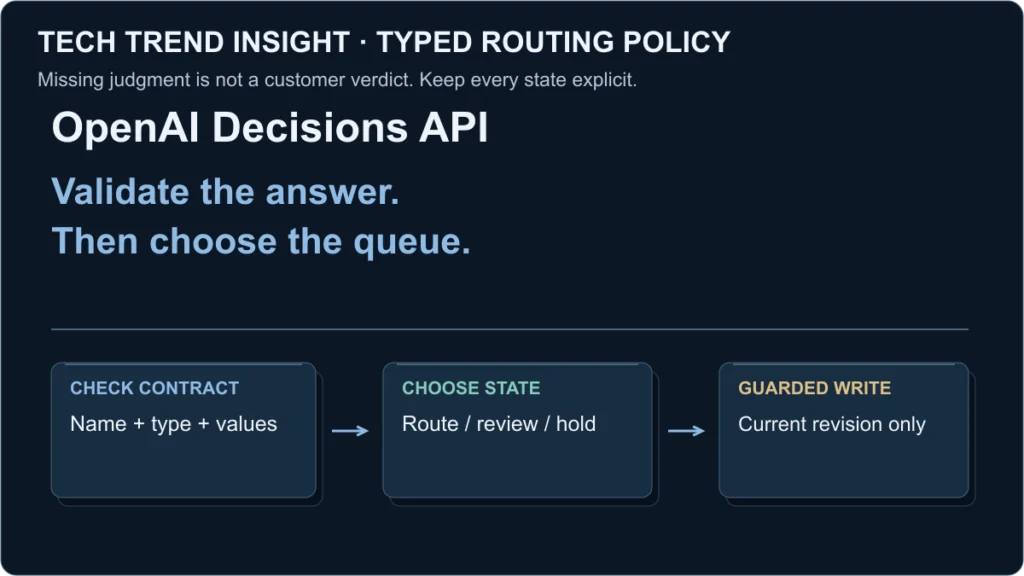
Validate Decisions API answers before routing: four workflow states, fixed queue IDs, stale-result guards and local failure-path tests.
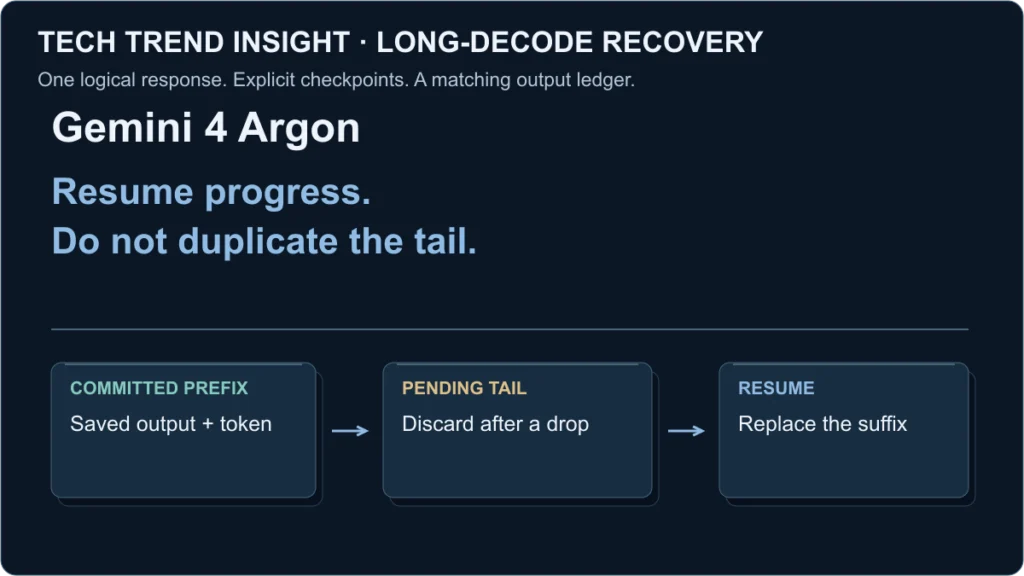
Learn how Argon continuation keeps requests fixed, recovers stream checkpoints, avoids duplicate output and counts per-hop usage correctly.
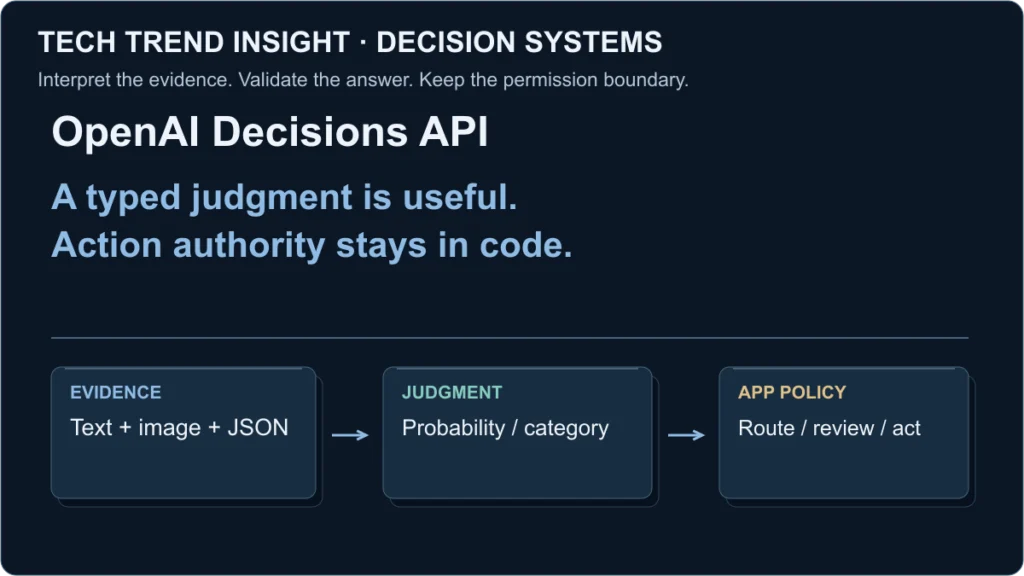
Understand OpenAI Decisions: predicate, choice and score, correct JSON fields, threshold tradeoffs, cache billing and application authority.
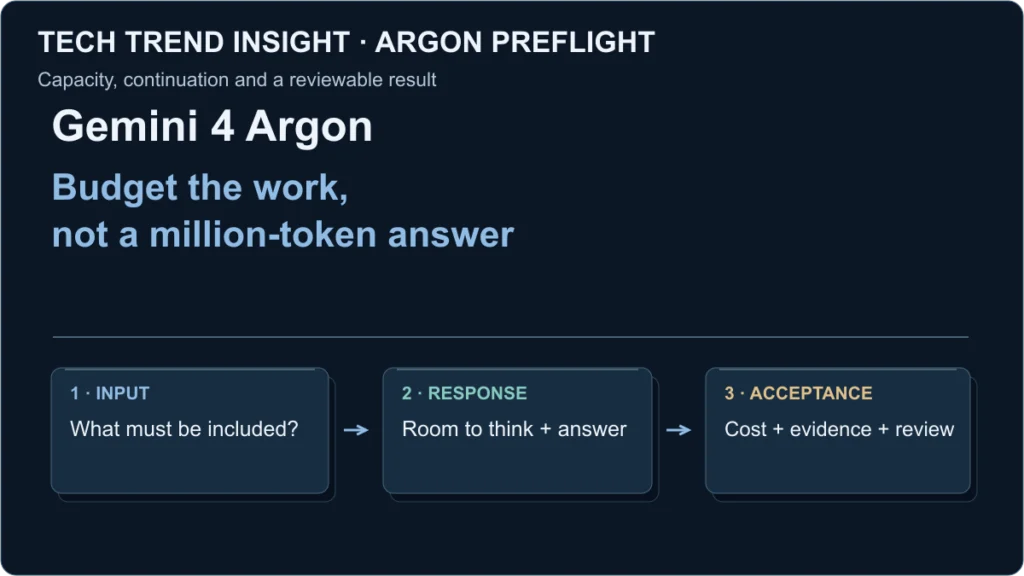
Plan Gemini 4 Argon workloads: leave room for thinking and answers, trim input safely, and budget continuation before reviewing the result.
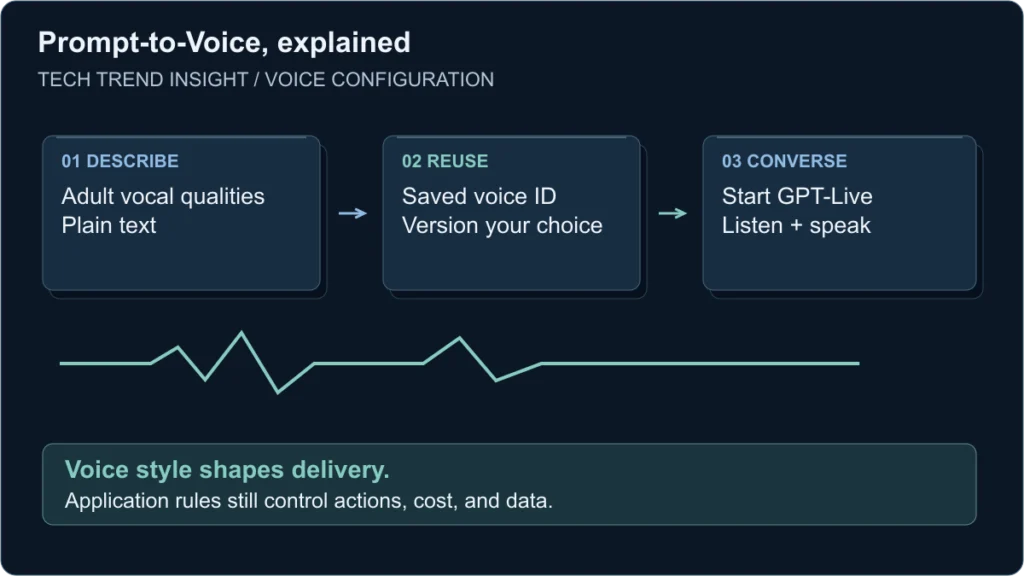
Understand prompt-to-voice, saved voice IDs and GPT-Live sessions through configuration, interruptions, duration costs and data-retention examples.
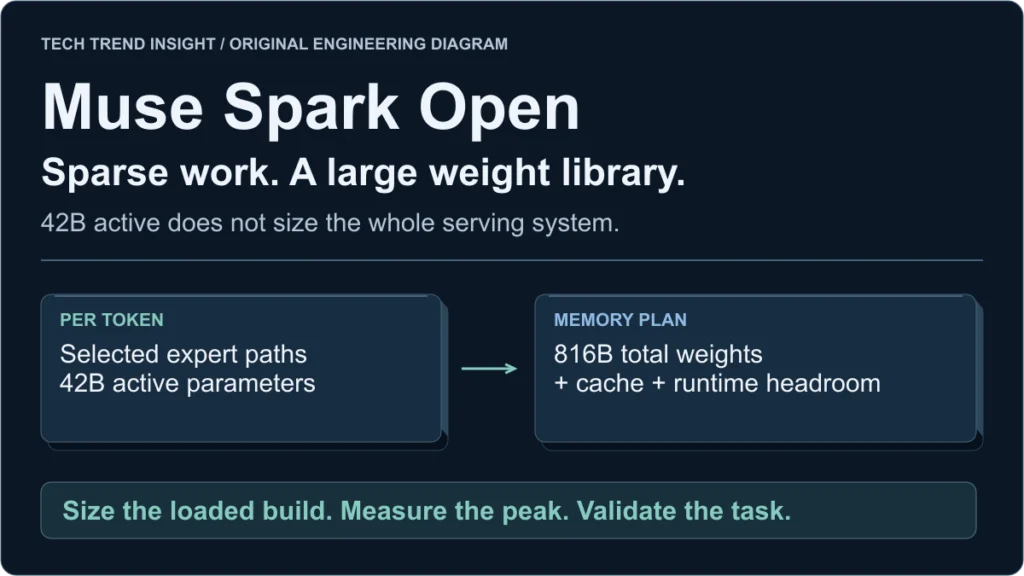
Understand Muse Spark Open memory: active versus total weights, quantization, parallelism, Apple MLX results, and a practical self-hosting test plan.
Understand Gemini 4 Argon long decode: shared token budgets, managed and client-side hops, cache costs, recovery, and result verification.
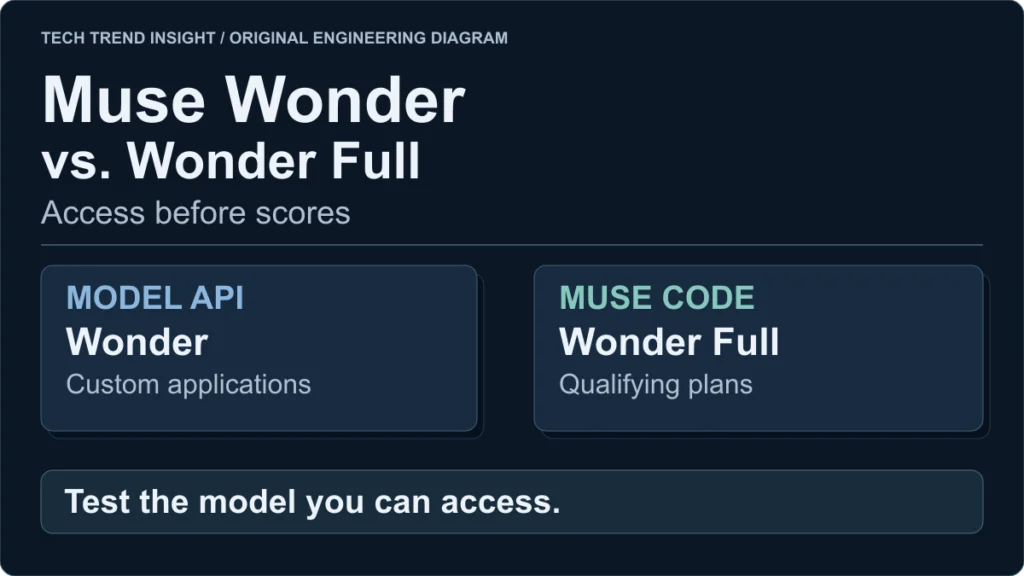
Understand Muse Wonder versus Wonder Full: API and Muse Code access, agent loops, data modes, task costs, and a practical evaluation plan.