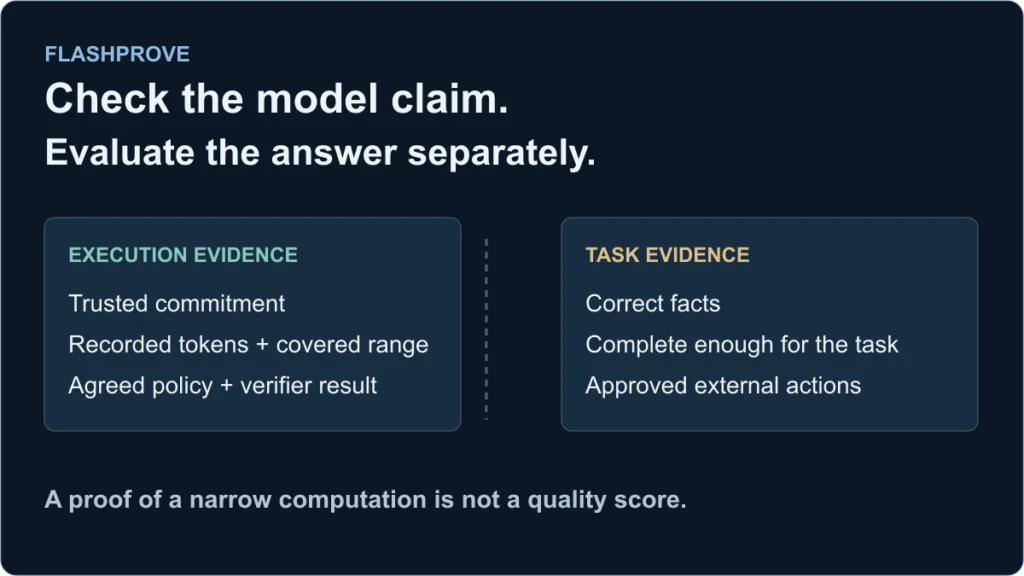
FlashProve Explained: What Model Inference Proofs Actually Check
Understand FlashProve commitments, token coverage and proof policies, and why 110 input tokens per second does not mean verified whole-answer speed.
Read articleTHE ARTICLE ARCHIVE
Explore ideas, explanations, and practical perspectives.
Understand FlashProve commitments, token coverage and proof policies, and why 110 input tokens per second does not mean verified whole-answer speed.
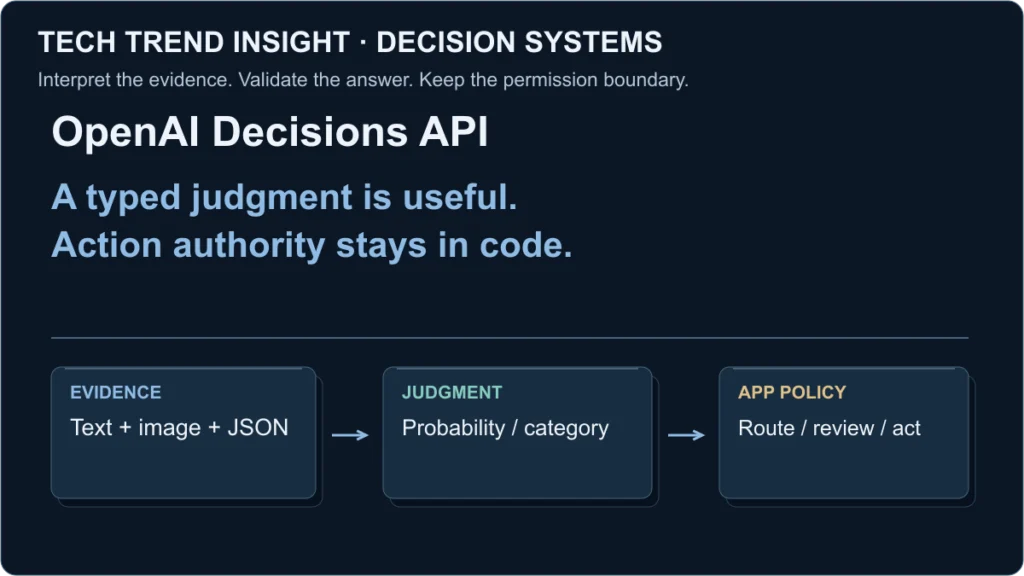
Read articleUnderstand OpenAI Decisions: predicate, choice and score, correct JSON fields, threshold tradeoffs, cache billing and application authority.
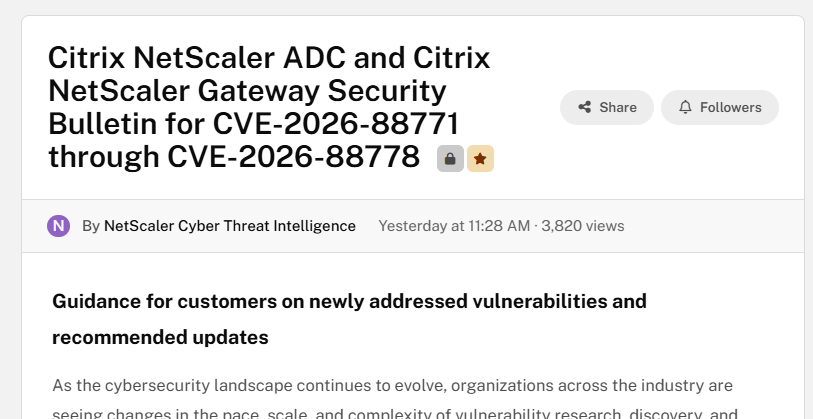
Citrix NetScaler 2026 zero-days: fixed builds, configuration checks and suspected-compromise evidence. Why a patch alone does not close an incident.
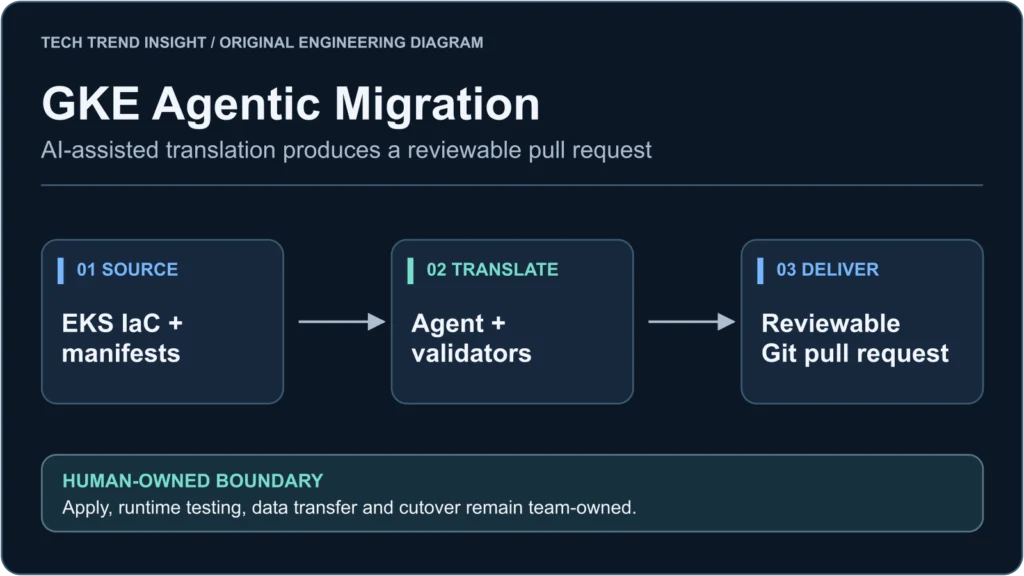
GKE Agentic Migration drafts EKS-to-GKE pull requests. Learn why deployment, runtime validation and production cutover remain team-owned.
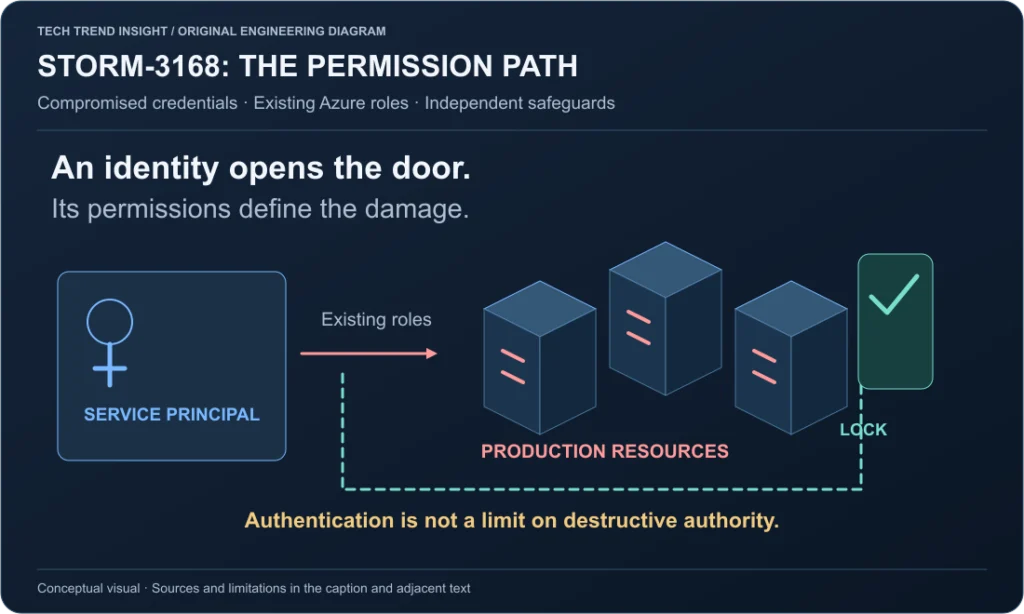
Storm-3168’s Azure attack shows how compromised service principals, broad roles, resource locks, and backup recovery shape cloud risk.
GitHub credential inventory improves visibility, but authorization, lifecycle, relationship rows, pagination, and audit evidence must remain separate.
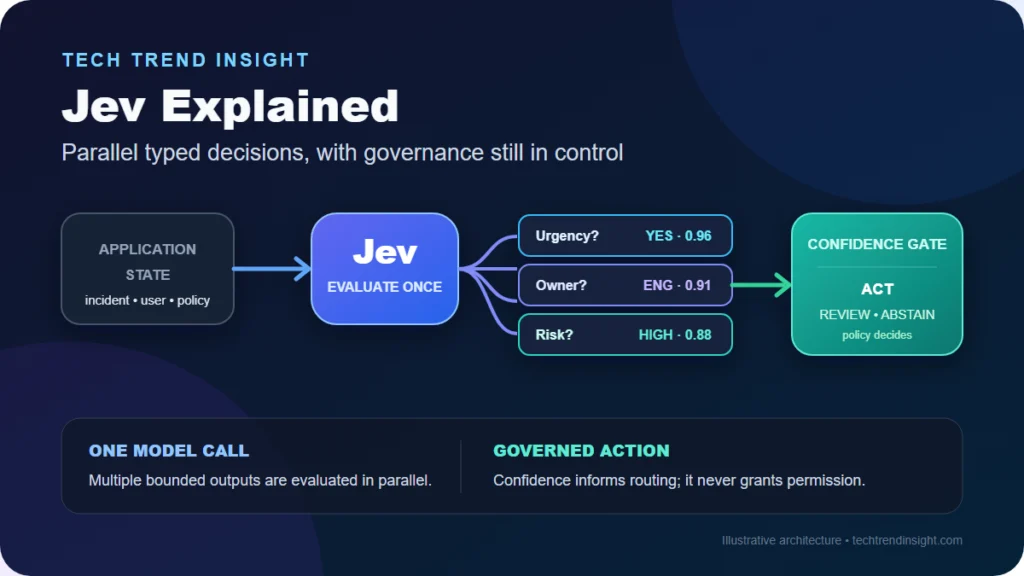
Jev is TypeSafe AI's early-access decision model. Explore its API, parallel outputs, confidence routing, limits, and governance.
GitHub Actions execution protections add an admission gate, but pull_request_target still requires strict trust boundaries and safe checkout.
npm stage-only tokens require maintainer approval but retain write permissions. Learn the limits, OIDC options, and migration steps.
Google Home MCP connects agents to household data and device actions. Explore its five tools, safety limits, consent, and rollout checks.