GPT-6 Astra Explained: OpenAI’s New Model for Complex, End-to-End Work
OpenAI introduced GPT-6 Astra on September 3, 2026, positioning it as its most capable model for difficult work that must be carried from an initial request to a finished result.
The important part of the announcement is not simply that Astra scores higher on another set of benchmarks. OpenAI is presenting it as a model designed to combine reasoning, browsing, coding, computer use, research, and document creation in one continuous workflow. That direction matters because the practical value of an AI system increasingly depends on whether it can finish a task across several tools, not only answer a question in a chat box.
What is GPT-6 Astra?
GPT-6 Astra is OpenAI’s new frontier model for complex, multi-step work. According to the company, it can research information online, work across software interfaces, write and test code, analyze data, and create polished documents, spreadsheets, presentations, websites, and other deliverables. OpenAI says the model was trained to remain oriented when requirements change and to use only the context that matters for the requested output.
For developers, the model is listed in the OpenAI API as gpt-6-astra. Its official model page specifies a 1,050,000-token context window and a maximum output of 128,000 tokens. It supports reasoning effort levels from low through max, as well as tools including web search, file search, image generation, hosted shell, computer use, skills, and MCP when used through the Responses API.
Why computer use is the real headline
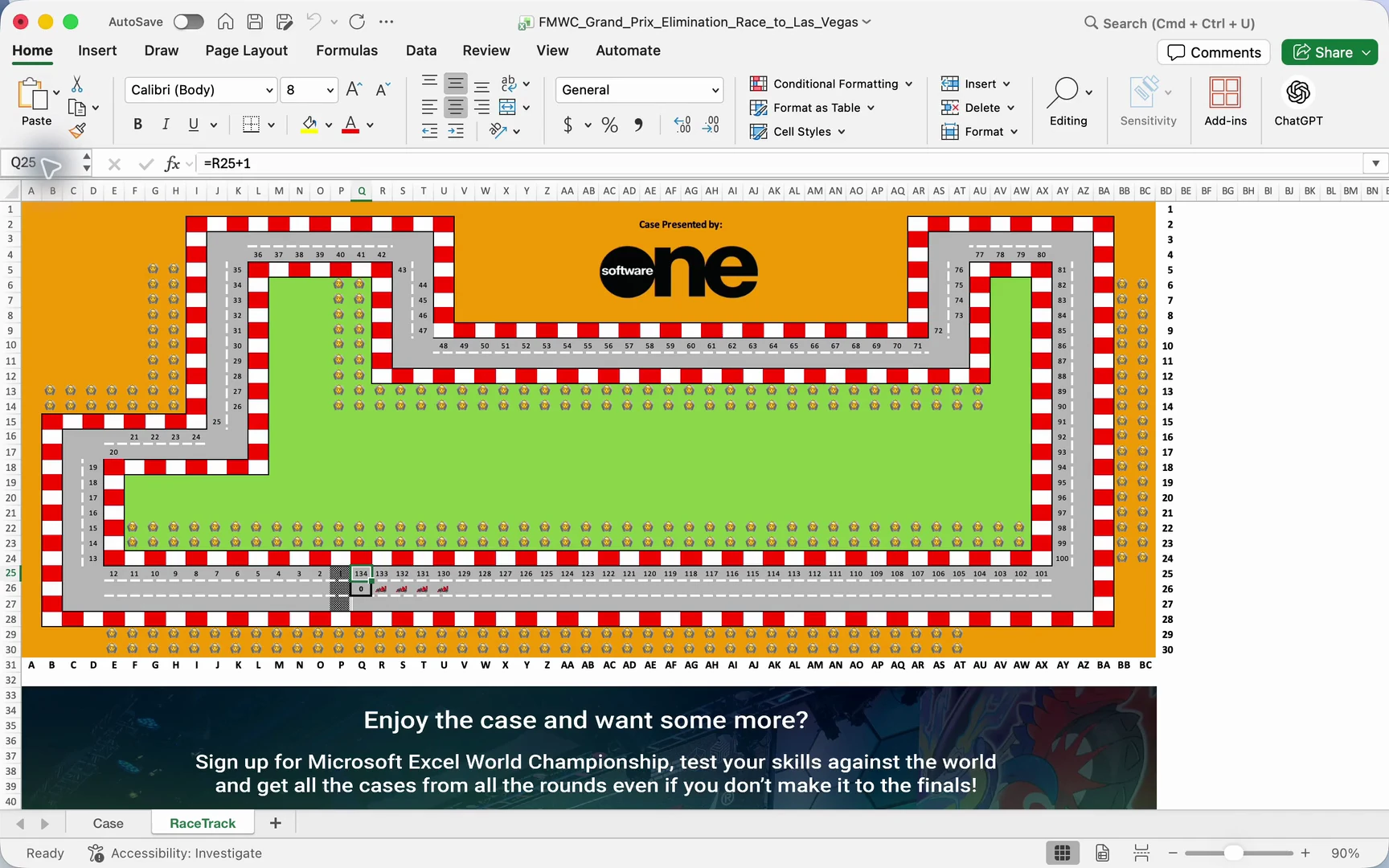
Language models have been able to describe how to complete a task for years. Astra is aimed at the harder problem: interacting with the software where the task actually happens. OpenAI gives examples such as filling online forms, updating CRM records, organizing calendars, conducting web research, producing summaries in document editors, creating websites, and running frontend quality checks.
The company reports that Astra reached 72.6% on its OSWorld 2.0 evaluation at roughly 40 minutes per task, compared with 65.7% at roughly 75 minutes for GPT-5.6 Sol. OpenAI also reports a 92.7% score on ScreenSpot-Pro without tools. These numbers come from OpenAI’s own launch materials, so they should be treated as evidence of progress rather than a guarantee that every real-world workflow will work perfectly.
Still, the direction is clear. The most useful future assistants will need to understand a goal, operate several tools, notice when the environment changes, and verify their own output. Astra appears to be OpenAI’s strongest attempt so far to combine those abilities into one model.
Better output for professional work
OpenAI also emphasizes professional deliverables. Astra is designed to follow templates and produce documents, spreadsheets, and presentations that match an organization’s writing and visual standards. This could make it more useful for work such as preparing a business review, analyzing a dataset, updating a slide deck, or turning research into a finished report.
A large context window helps with this kind of work, but context size alone is not enough. A model must identify which details matter, preserve decisions made earlier in the task, and avoid filling the final document with irrelevant information. OpenAI says Astra is specifically trained to retrieve and apply the relevant context while staying aligned with the user’s original objective.
The safety tradeoff
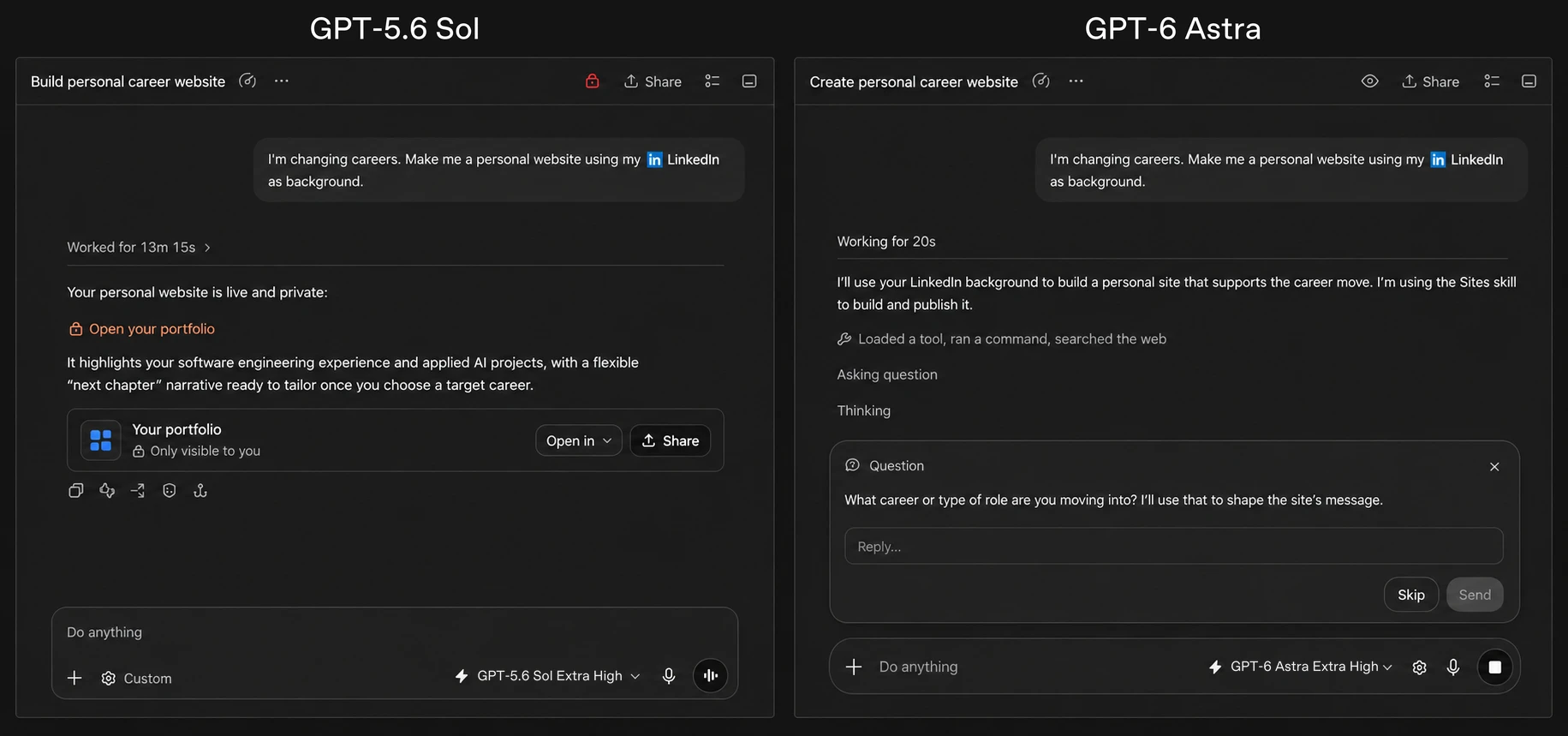
Astra’s ability to operate software also increases the consequences of a mistake. OpenAI says the model includes additional monitoring intended to detect actions that may fall outside the user’s instructions. A conversation can be paused or stopped so the user can review what happened. The company openly notes that these checks may sometimes interrupt legitimate work.
Cybersecurity is a particularly important part of this release. OpenAI classifies Astra at the Critical level for cybersecurity capability under its Preparedness Framework. The company says the model can help defenders review code and patch weaknesses, but it also applies stronger restrictions and monitoring to reduce misuse. That is a significant reminder that greater autonomy must be paired with clear permissions, narrow task boundaries, and human review for consequential actions.
Availability and API pricing
OpenAI announced a phased rollout to ChatGPT Plus, Pro, Business, and Enterprise users, as well as access through the OpenAI API, Microsoft Azure, and AWS Bedrock. Enterprise administrators may need to enable access for their workspace. The API model page lists standard text pricing at $10 per million input tokens and $50 per million output tokens, with separate rates for cached input and cache writes. Availability can vary by account and rollout stage, so users should check the model selector or their workspace settings.
Our take
Astra looks less like a conventional chatbot upgrade and more like a shift toward AI as an active work partner. Its most interesting promise is the combination of reasoning and execution: research the subject, use the necessary software, create the deliverable, and keep going when the instructions evolve.
That promise should be judged by completed tasks rather than benchmark headlines. Can the model recover when a website changes? Does it preserve the user’s constraints after an hour of work? Does it ask before taking an action with real consequences? Those questions will determine whether Astra becomes genuinely useful in daily work.
My early conclusion is cautiously positive. Better computer use and stronger task continuity could save substantial time, especially for research, coding, and document-heavy workflows. But the more an AI can do, the more important reviewable steps and explicit boundaries become. Astra’s safety monitoring may occasionally feel inconvenient, yet some friction is reasonable when a system can act across real applications.
Official sources
- OpenAI: GPT-6 Astra — A new generation of intelligence
- OpenAI API: GPT-6 Astra model page
- OpenAI: GPT-6 Astra safety overview
Published by Tech Trend Insight. Images in this article are from OpenAI’s official GPT-6 Astra announcement.


