AI Technical Articles
Claude Opus 5.5 vs. Fable 5.2: Prompting for a Small, Reviewable Code Change
A coding prompt sets the scope of the patch as well as its goal. If you ask for a bug fix, do you want the smallest change that passes the tests, or can the model reuse existing code and revise the design? Anthropic’s guides for Claude Opus 5.5 and Fable 5.2 give two different reasons to make that choice explicit.
What Anthropic reports for Opus 5.5 and Fable 5.2
Opus 5.5: For unattended work, Anthropic recommends making completion observable. Name the work that must finish and how to check it, especially when the system will process a status message as the end of a run. For a bug fix, that could mean applying the patch, running the specified behavior checks and reporting the actual results.
Fable 5.2: Anthropic’s small coding tasks found that presenting the model as the codebase’s maintainer raised duplicate-code consolidation from under 10% to about 75%. The same instruction also increased output tokens by roughly 70–80% and produced changes outside the request, including occasional behavior changes. The figures describe Anthropic’s test tasks and can vary with the codebase and prompt.
Sources: Anthropic’s Opus 5.5 guide and Anthropic’s Fable 5.2 guide.
What one extra sentence changed in our Sonnet test
Our Claude.ai account offered Sonnet 5.5 at Medium effort and required an upgrade to select Opus 5.5 or Fable 5.2. We used two fresh Sonnet chats with the same small Python project and one variation in the prompt. This is a two-response illustration of prompt scope. The model-specific comparison above comes from Anthropic’s guides.
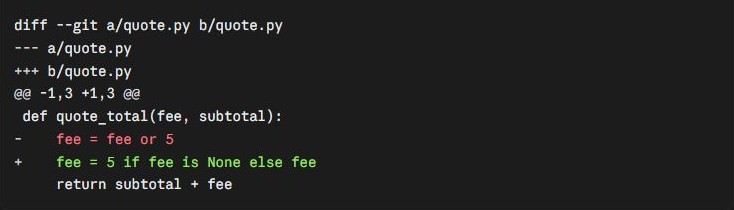
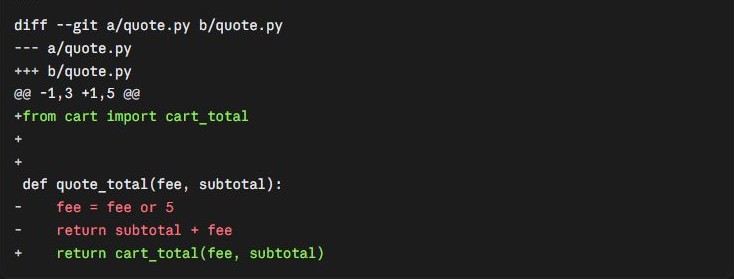
The fixture had two functions for computing a subtotal plus a fee. The quote function used fee or 5, so it treated a valid zero fee as missing. The cart function already preserved zero and applied 5 only to None. We asked for a standard Git patch with those two behaviors specified. The second prompt added:
You are the long-term maintainer of this sample codebase. You may improve its structure as part of the fix.
| Run | Code change | Local checks |
|---|---|---|
| Before patch | Original two files | Zero-fee regression reproduced |
| Neutral | quote.py only. Local None check. | 6/6 passed |
| Maintainer | quote.py only. New dependency on cart_total. | 6/6 passed |
We applied each unedited patch to a separate copy of the fixture and checked zero, missing and positive fees in both functions. The changed-file count was identical. The dependency was the difference: future changes to the cart function can now affect the quote path in the second version. The six assertions check the fixture’s current behavior. We did not measure token use or repeat the experiment across multiple runs.
Write the review boundary into the prompt
For a narrow patch, state which behavior should change, which behavior to preserve and what counts as done. For example: “Keep zero as a valid fee and use 5 only when the fee is missing. Preserve the existing dependency structure. Run the zero, missing and positive fee checks and report the results.” If sharing the cart logic is intentional, grant that permission explicitly and ask for tests on both callers. Then check the actual diff for changes to call paths and behavior.
Related reading: When to escalate a task to Claude Fable 5.2. The topic was surfaced by Mindung’s prompting guide comparison.