Gemini 4 Argon Token Accounting: Reconcile Context, Hops and Cost
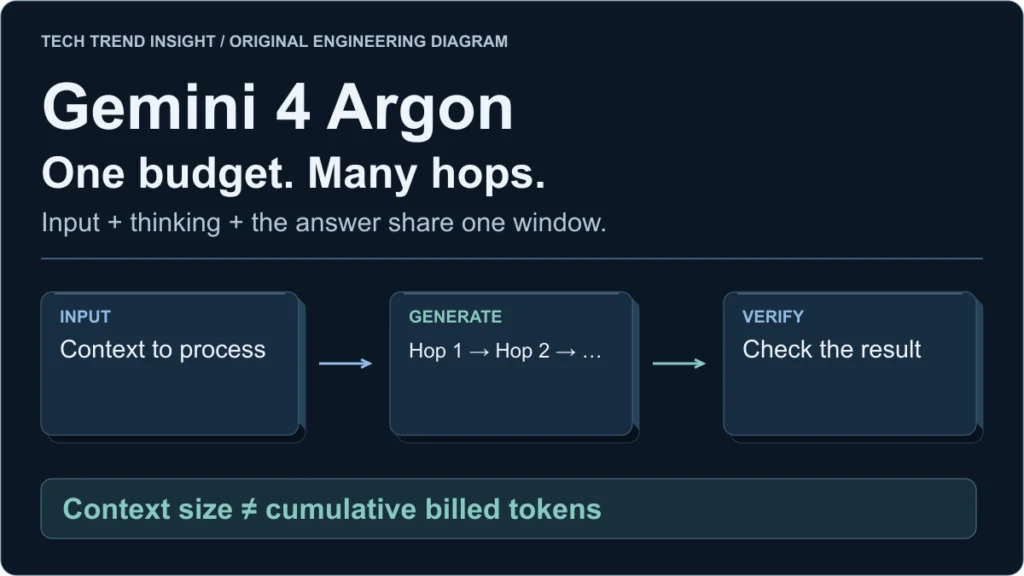
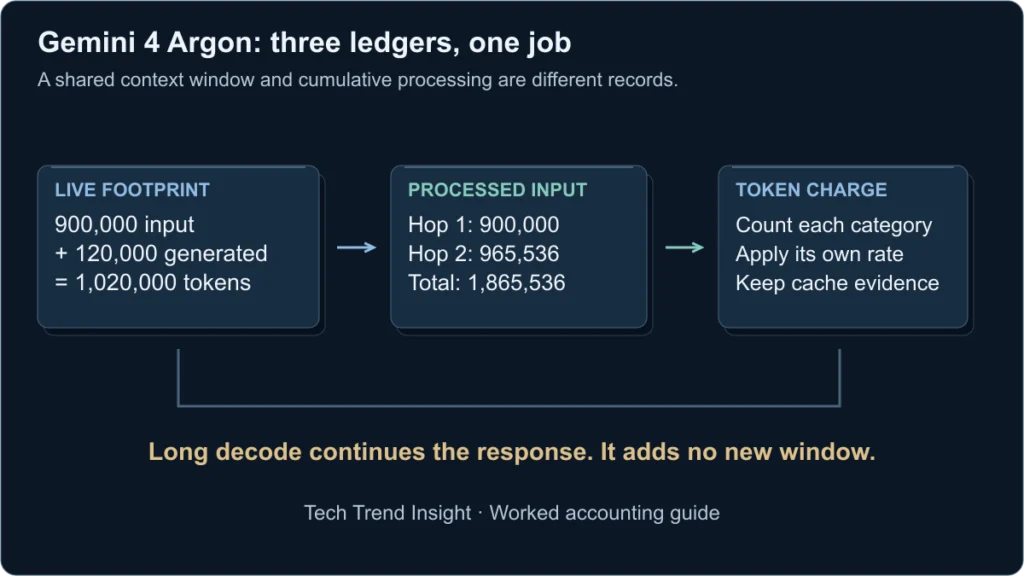
Reconcile Argon’s shared context, repeated hop inputs and token charges. Worked cache scenarios explain why $3.10 and $3.22 are different estimates.
Read articleTHE ARTICLE ARCHIVE
Explore ideas, explanations, and practical perspectives.
Reconcile Argon’s shared context, repeated hop inputs and token charges. Worked cache scenarios explain why $3.10 and $3.22 are different estimates.
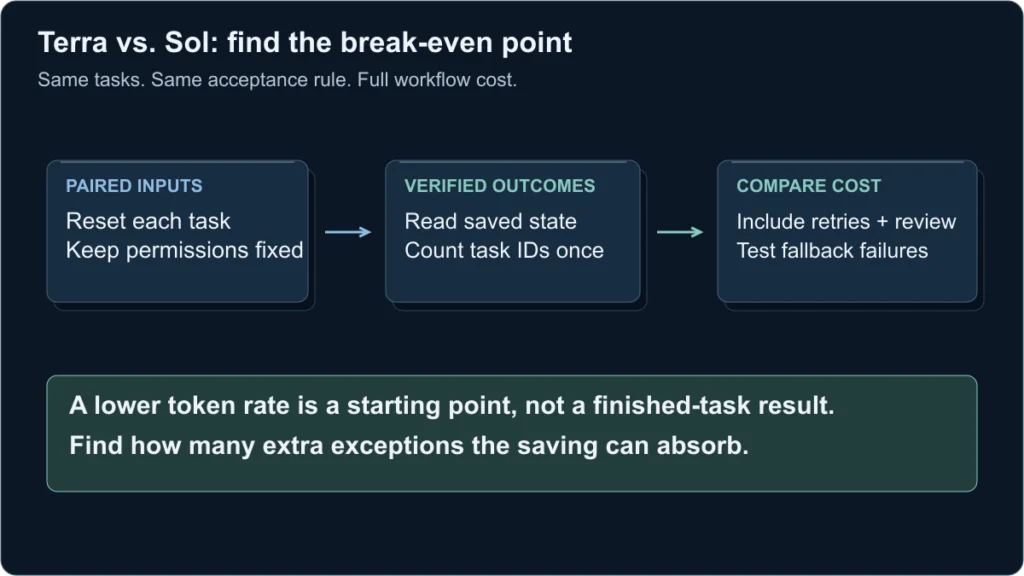
Read articleCompare Terra and Sol on matched tasks: full-cost break-even math, request-level accounting and the fallback success rate that actually matters.
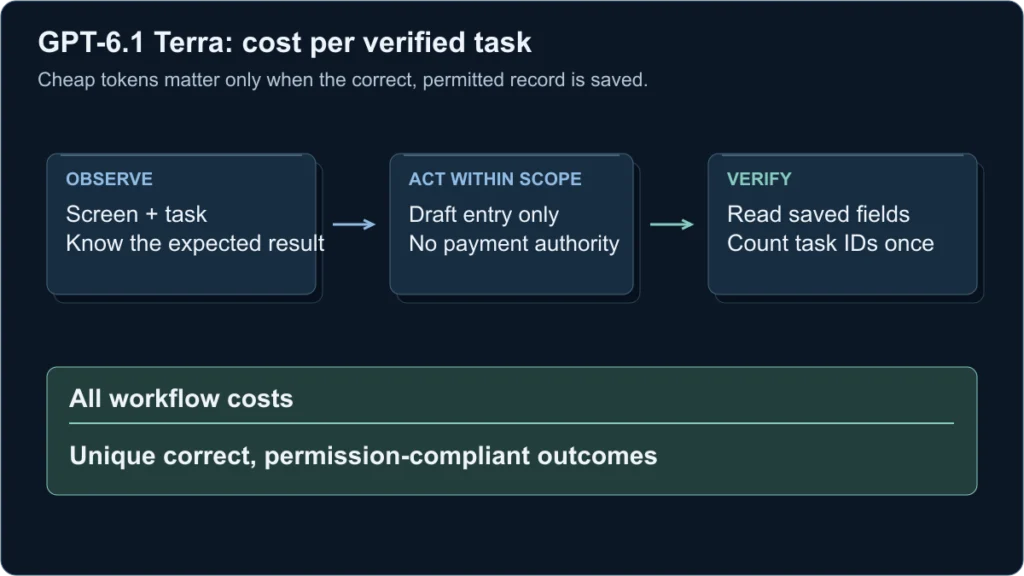
Estimate GPT-6.1 Terra screen-task costs without double-counting tokens, retries or outcomes. Includes a worked budget and saved-record checks.
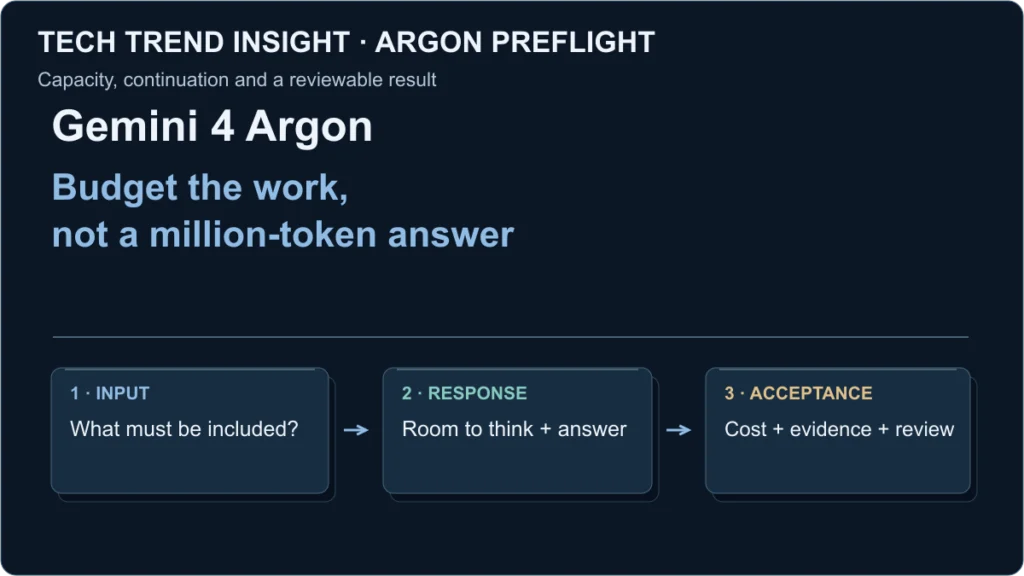
Plan Gemini 4 Argon workloads: leave room for thinking and answers, trim input safely, and budget continuation before reviewing the result.
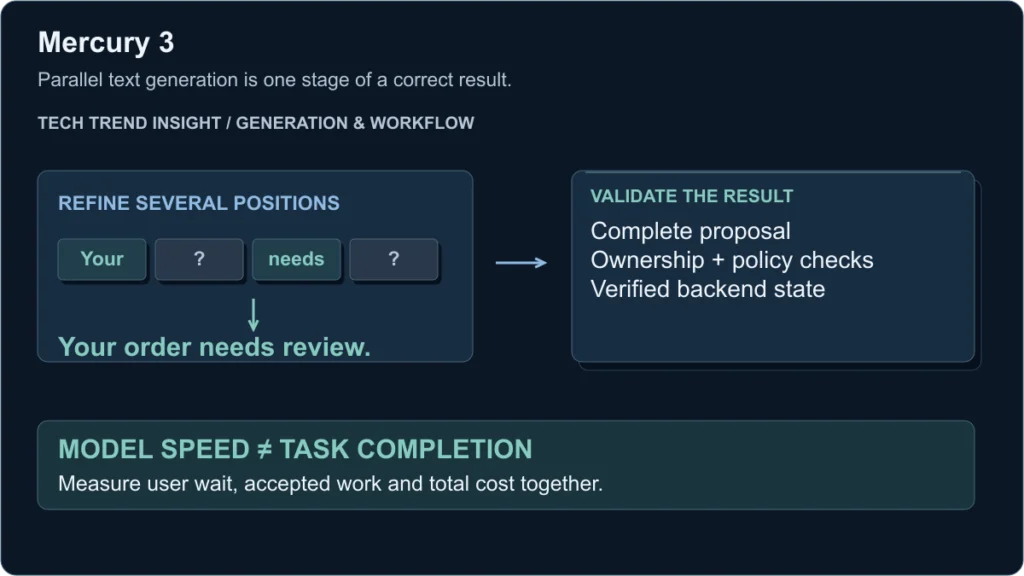
Learn how Mercury 3 refines text in parallel, why token speed differs from task latency, and how to test quality, streaming and accepted-task cost.
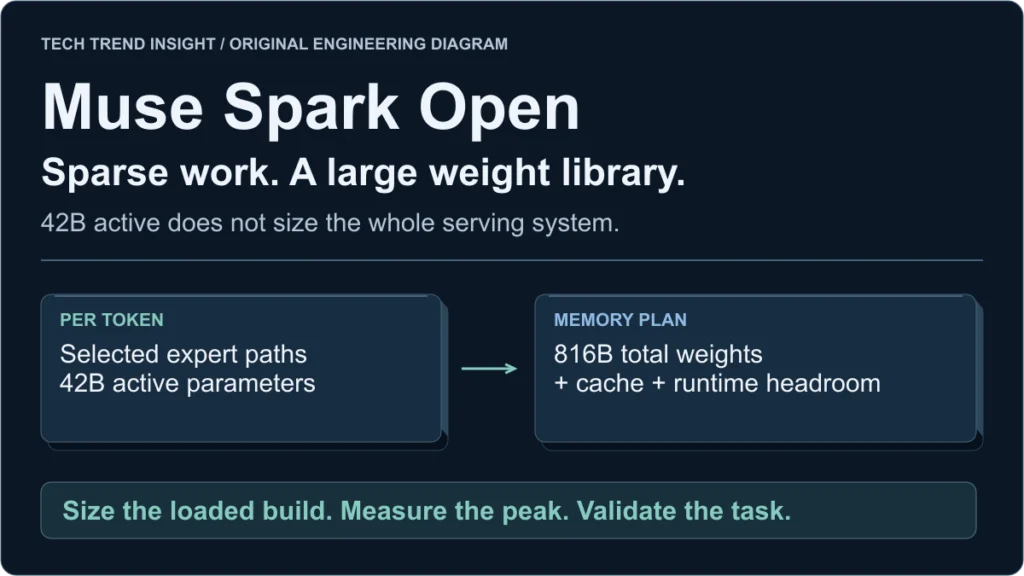
Understand Muse Spark Open memory: active versus total weights, quantization, parallelism, Apple MLX results, and a practical self-hosting test plan.
Understand Gemini 4 Argon long decode: shared token budgets, managed and client-side hops, cache costs, recovery, and result verification.
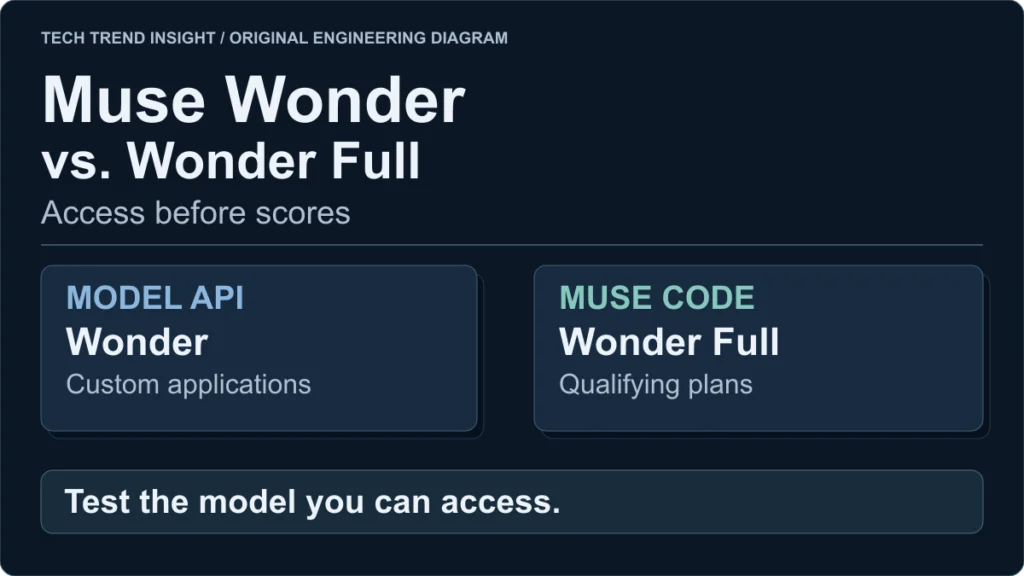
Understand Muse Wonder versus Wonder Full: API and Muse Code access, agent loops, data modes, task costs, and a practical evaluation plan.
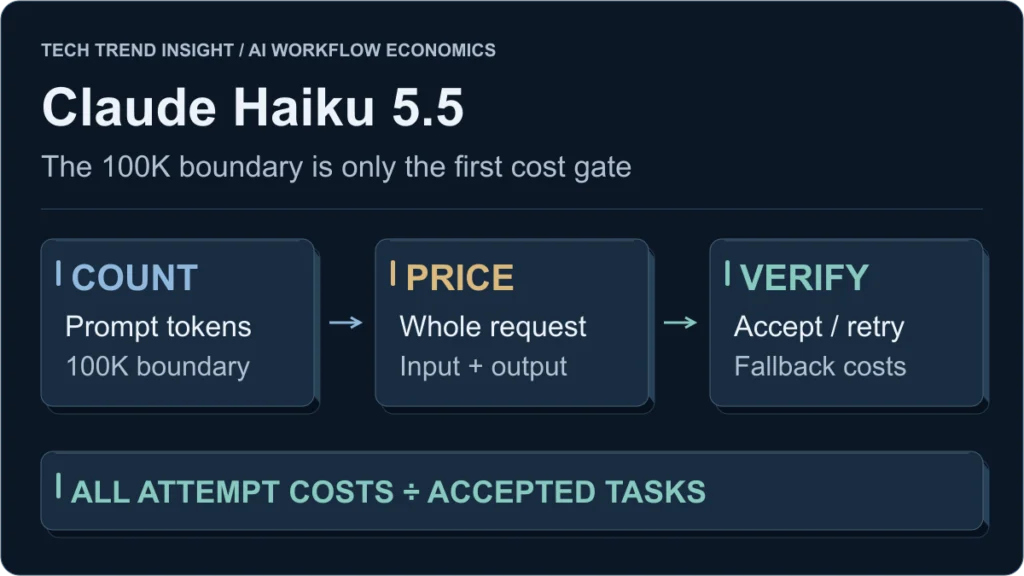
Claude Haiku 5.5 pricing at 100K tokens: an auditable cost model for tokenization, effort, retries, and cost per accepted task.
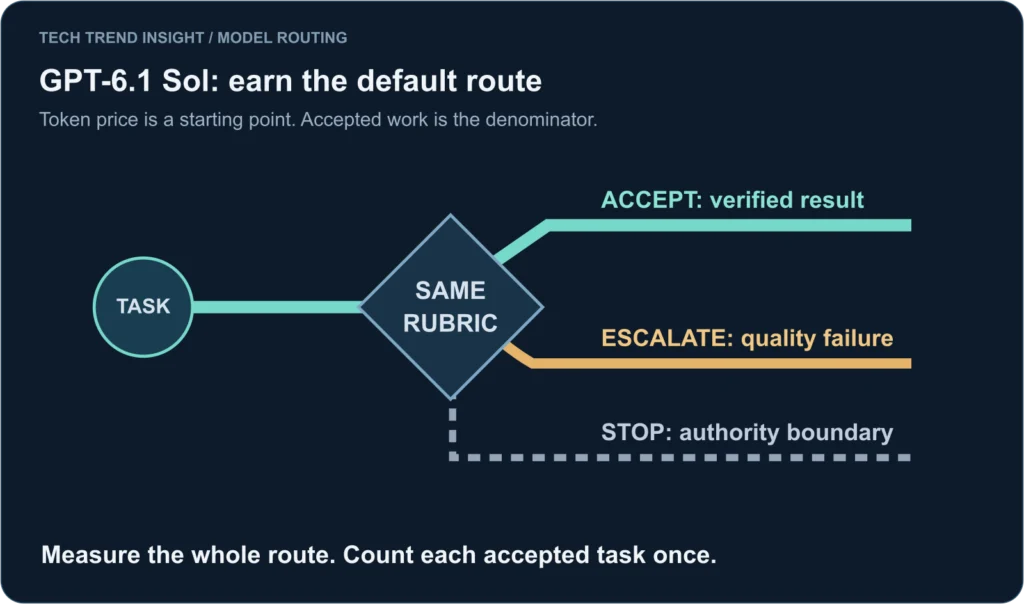
Evaluate GPT-6.1 Sol routing with a worked cost ledger, fixed acceptance tests, API checks, bounded fallbacks and clear permission limits.