The Enterprise AI Playbook: Designing for Resilience, Privacy, and Choice
Enterprise AI Playbook: a strategic guide to designing resilient, privacy-first AI architectures with flexible model routing and choice.
THE ARTICLE ARCHIVE
Practical guides and independent analysis of AI, cloud, developer tools, and the technology shaping our work.
Enterprise AI Playbook: a strategic guide to designing resilient, privacy-first AI architectures with flexible model routing and choice.
Gemini 3.8 Flash: verified API settings, introductory pricing, benchmark limits, and a bounded code-review example without safety guarantees.
Claude Fable 5.1: cache-write and read costs, OSWorld scoring differences, safe SDK handling, and the limits of vendor benchmarks.
GPT-6 Astra explained: model versus harness, verified API limits, long-context pricing, and controls for tool-assisted work.
A safer, review-first workflow for processing bulk Apple Mail with Claude without compromising private data or message integrity.
Evidence-based tips for building a stronger resume using Claude as a writing and review assistant, backed by human verification steps.
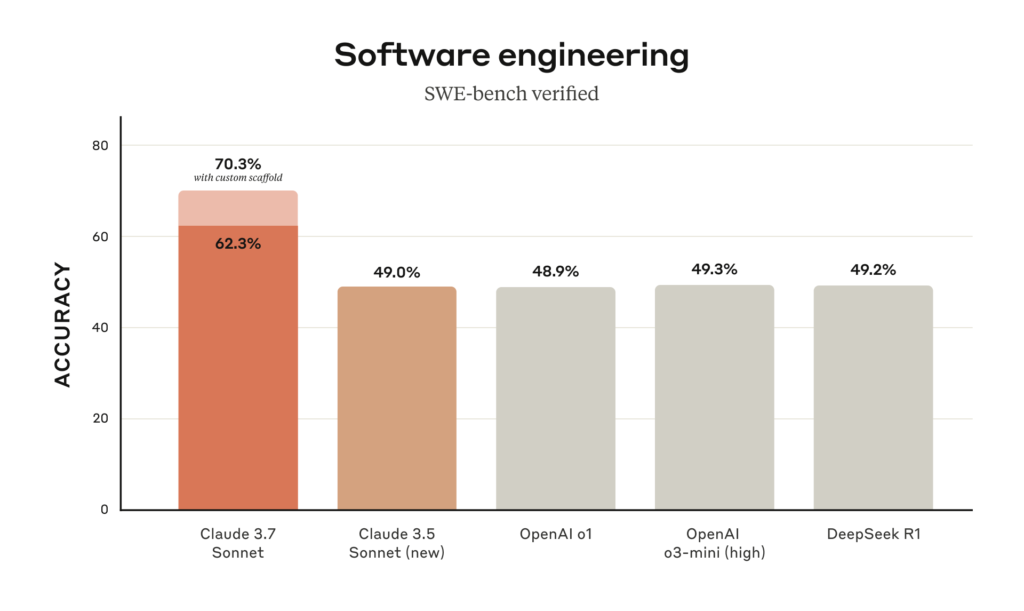
Claude 3.7 Sonnet explained: hybrid reasoning, thinking budgets, benchmark caveats, retirement, and a cost-per-accepted-result example.
A Grok 3 Beta retrospective: Think versus DeepSearch, benchmark pitfalls, source checks, and a practical evaluation worksheet.
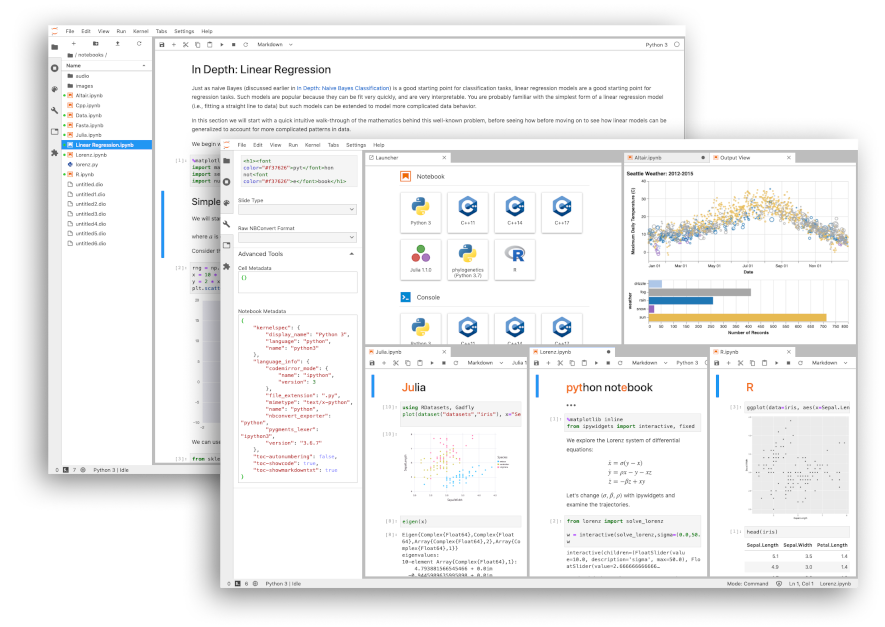
Build a reproducible JupyterLab workflow with uv locks, the right kernel, a tested data example, Papermill, and notebook export.
Grok 3's 2025 release explained: announcement versus access dates, Colossus context, Think and DeepSearch, and practical evaluation.